From Secret Sprawl To Brokered Path
Loose keys should move out of server code and logs into a brokered path.
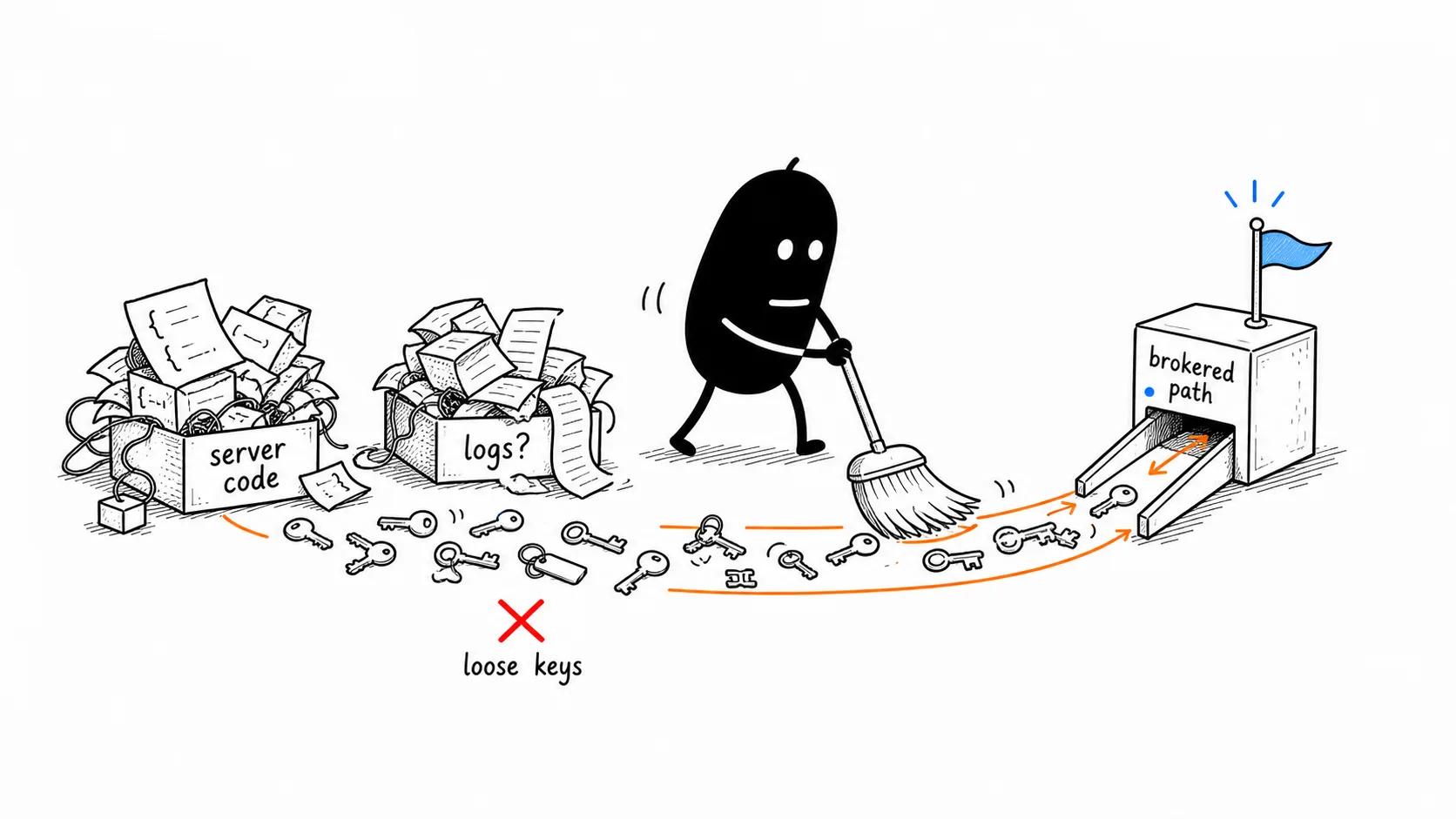
Why it mattersAgents and MCP servers should not become new places where secrets spread.
Binding Card Catalog
A binding card names actor, policy, environment, and reference without showing the secret.
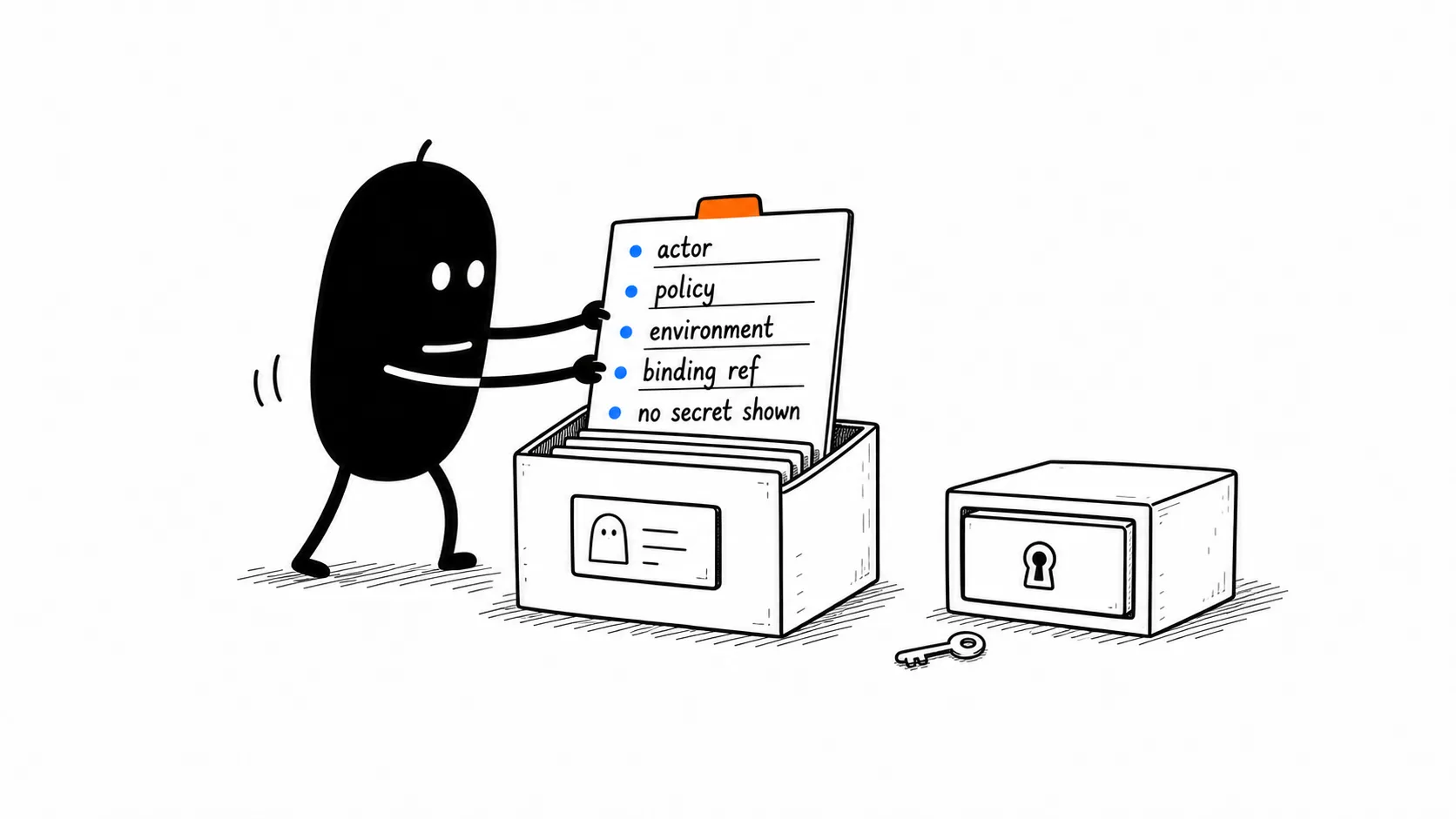
Why it mattersReviewers need explainable access without exposing sensitive values.
Service Account Credential
Service-account access can be injected upstream while the agent never sees the credential.
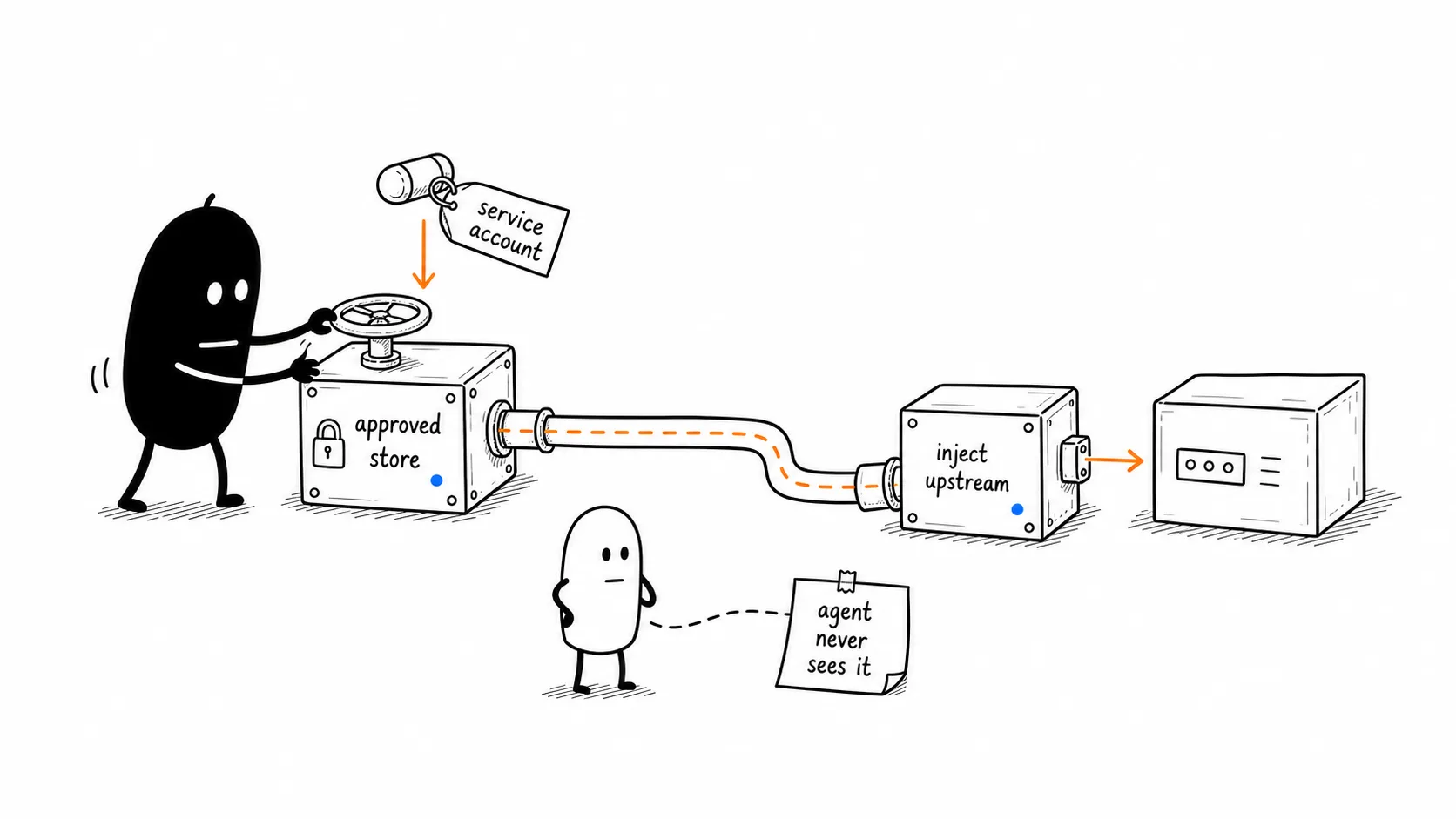
Why it mattersMany first pilots need service access with centralized control.
User Delegated OAuth
Delegated access keeps the action tied to user authority and OAuth scope.
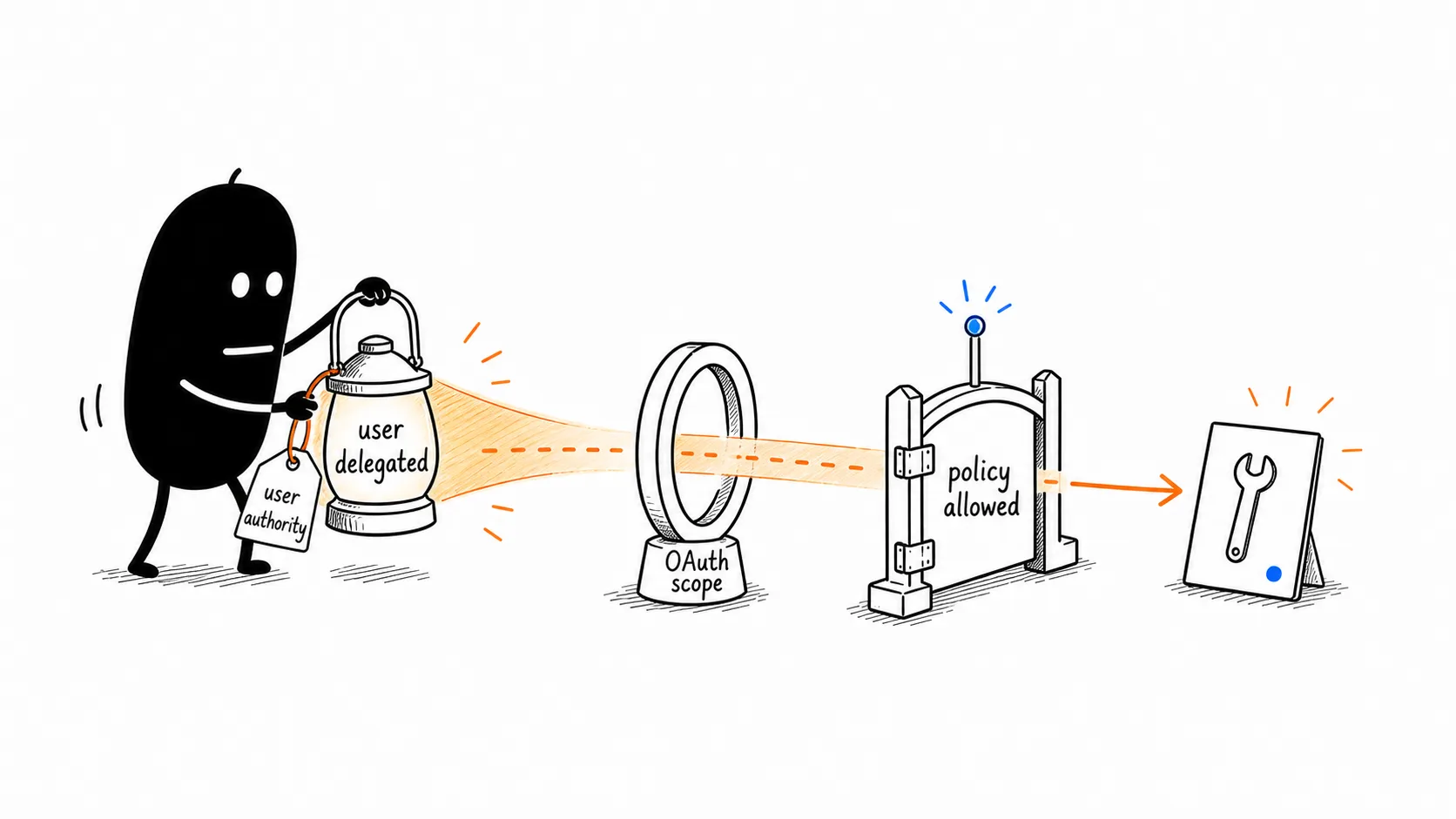
Why it mattersSome tools should act with user authority, not only service identity.
Agent-Scoped Credential
Agent-scoped credentials can be limited to owned tools and revoked cleanly.
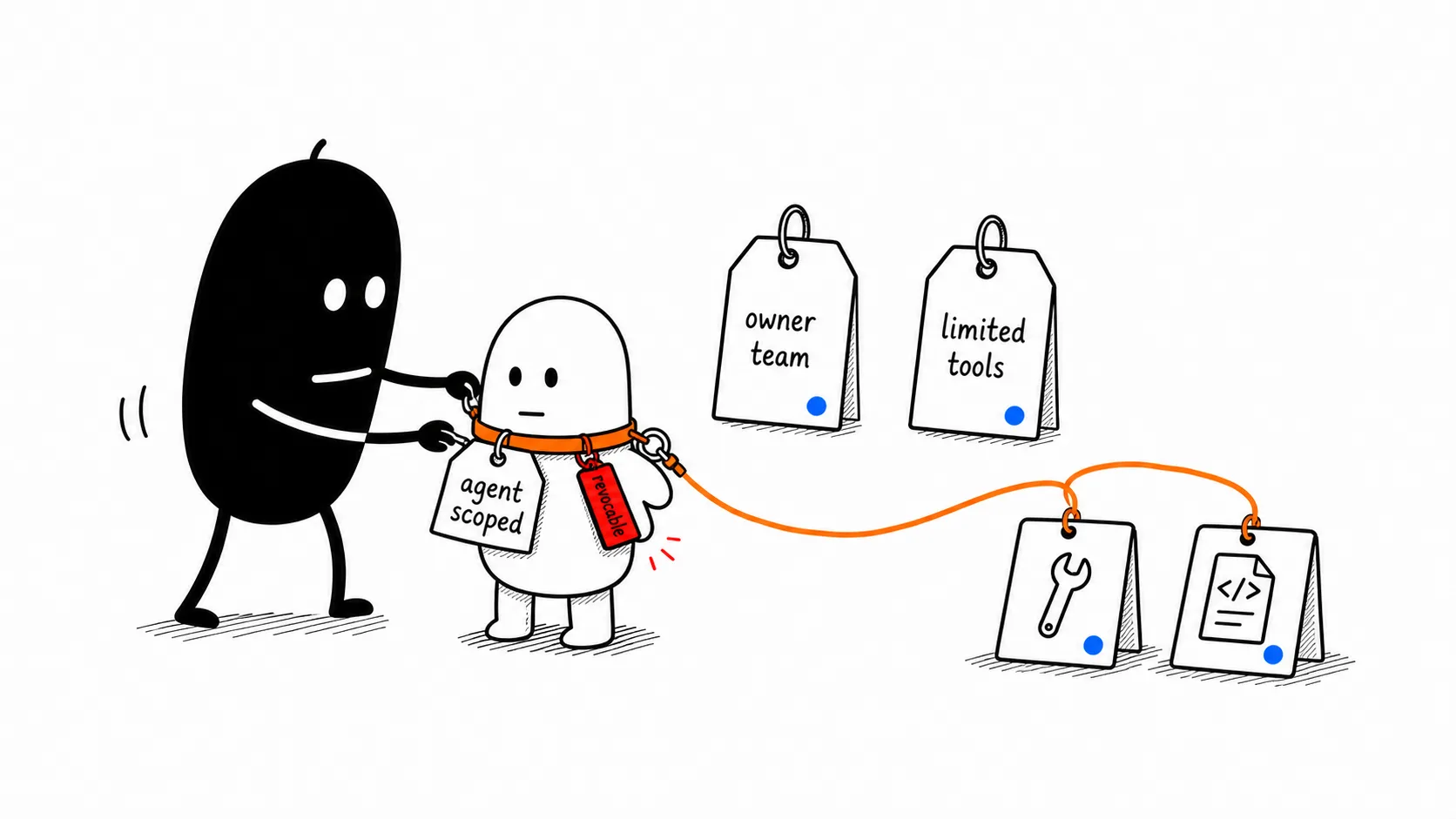
Why it mattersThe credential should match the agent, owner team, and tool risk.
Workload Identity Mapping
Workload identity maps to a subject and selects the right binding.
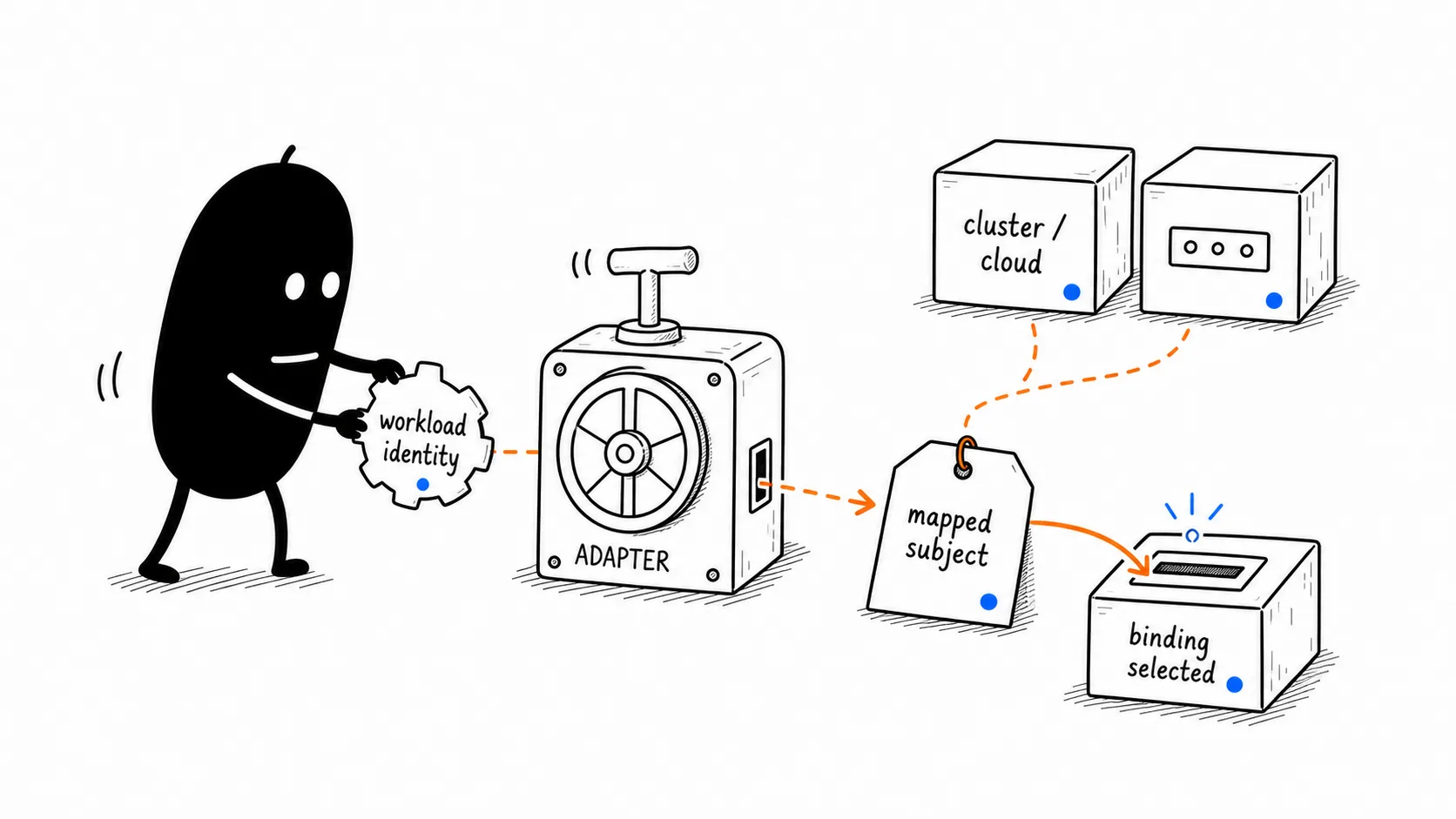
Why it mattersCloud and cluster identities need first-class treatment in enterprise deployments.
Secret Store Integration
The gateway should work from secret references, not plaintext storage.
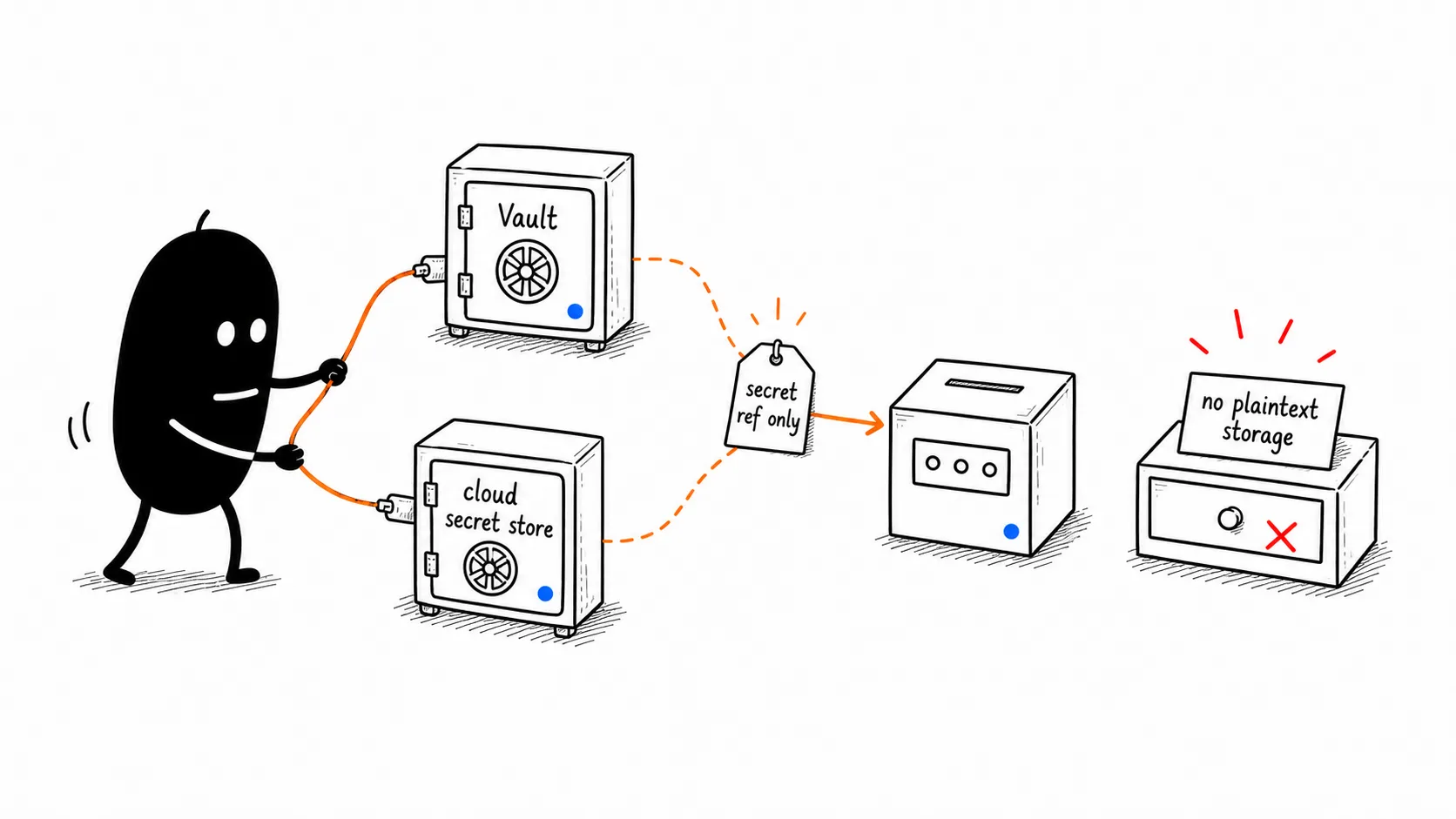
Why it mattersExisting vaults and cloud secret stores remain the source of truth.
Environment-Specific Bindings
Dev, staging, and production use separate bindings.
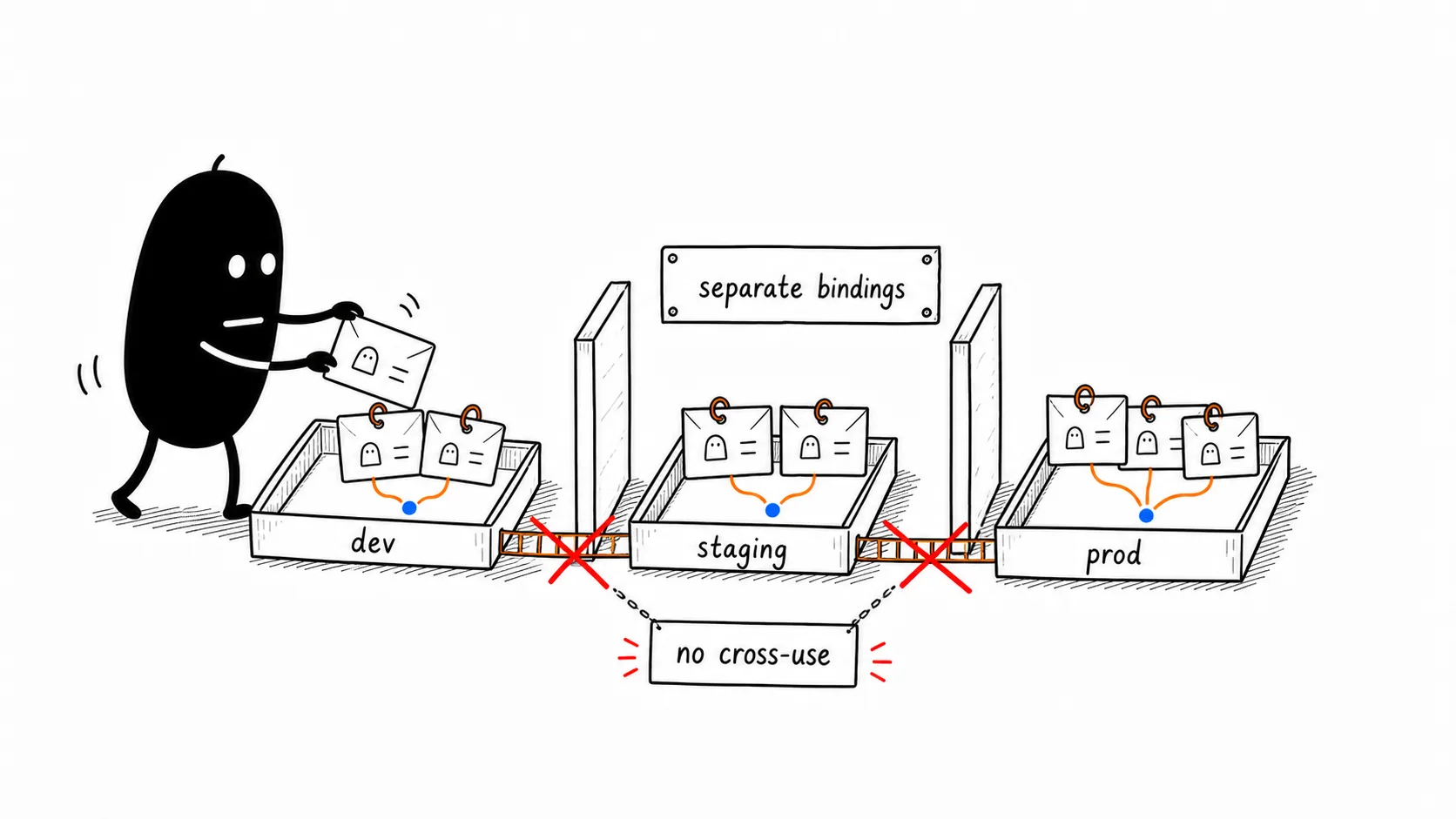
Why it mattersPreventing cross-environment use is a basic production control.
Rotate Without Server Code Change
Rotation changes the secret reference while the server stays untouched.
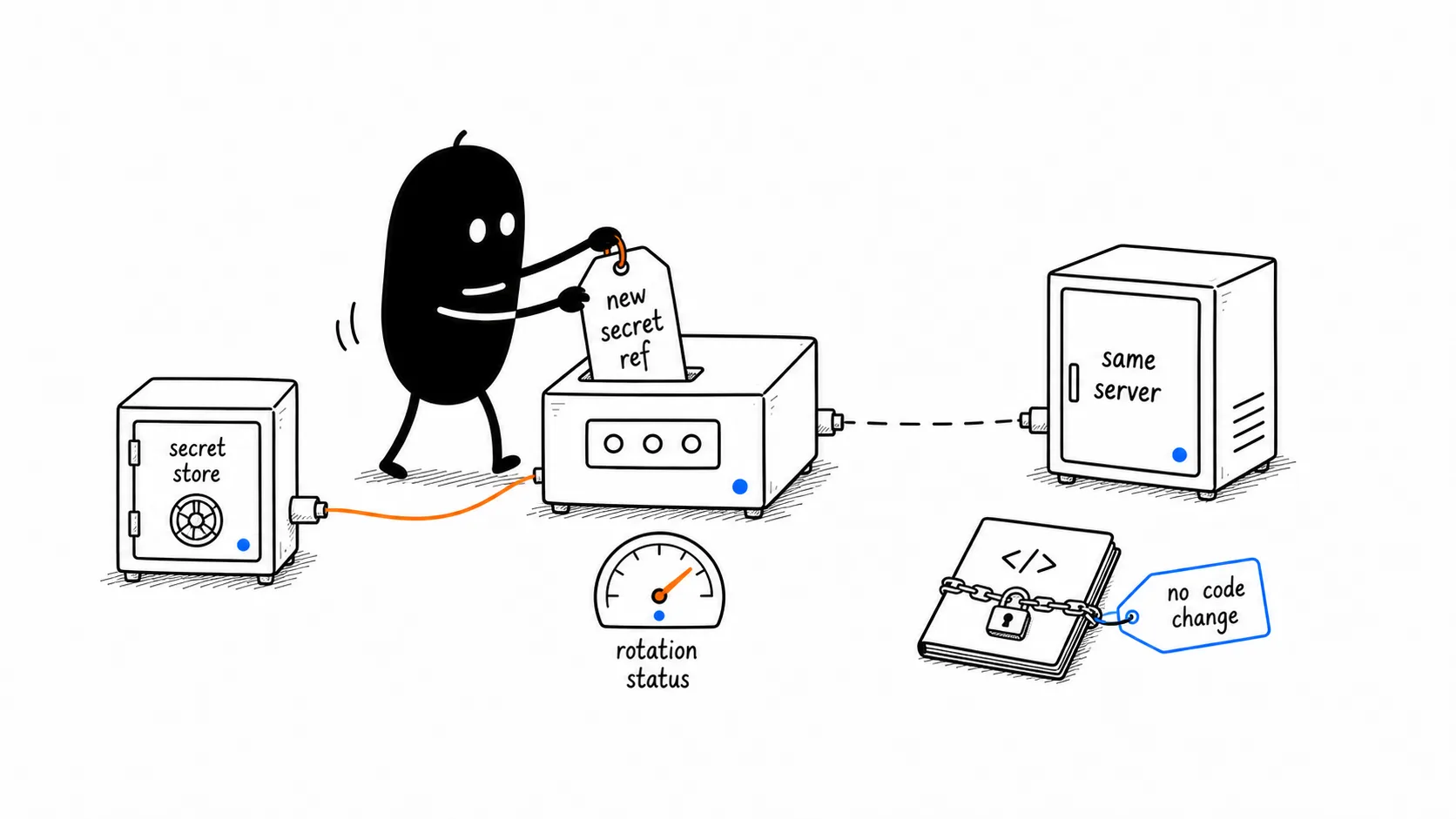
Why it mattersCredential hygiene improves when rotation does not require app rewrites.
Revoke Binding Cleanly
Revocation blocks new calls, terminates affected sessions where needed, and emits audit evidence.
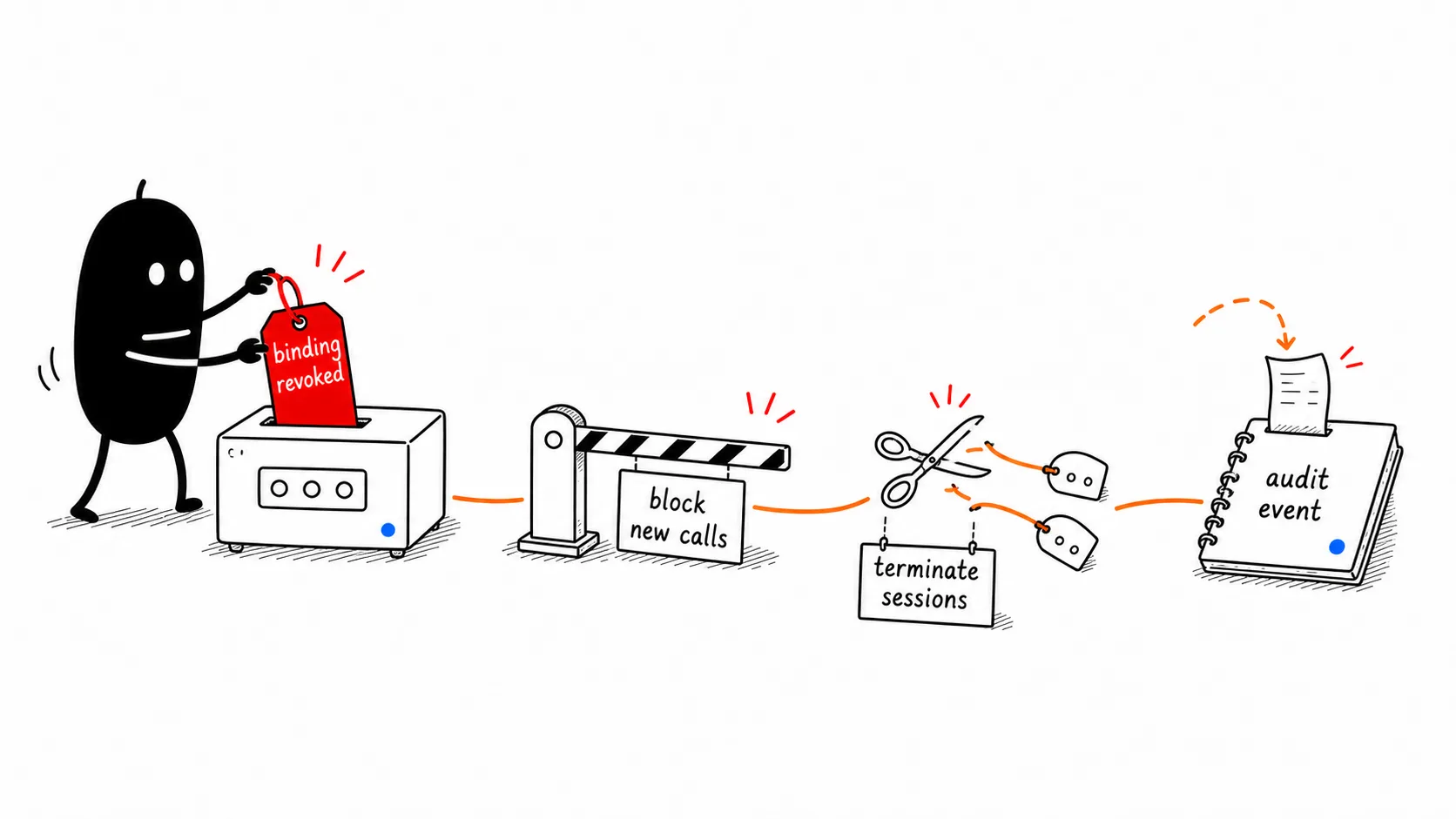
Why it mattersA broker is only credible if access can be stopped cleanly.
Audit Without Secret Values
Audit keeps credential mode, binding reference, request ID, and policy version without secret values.
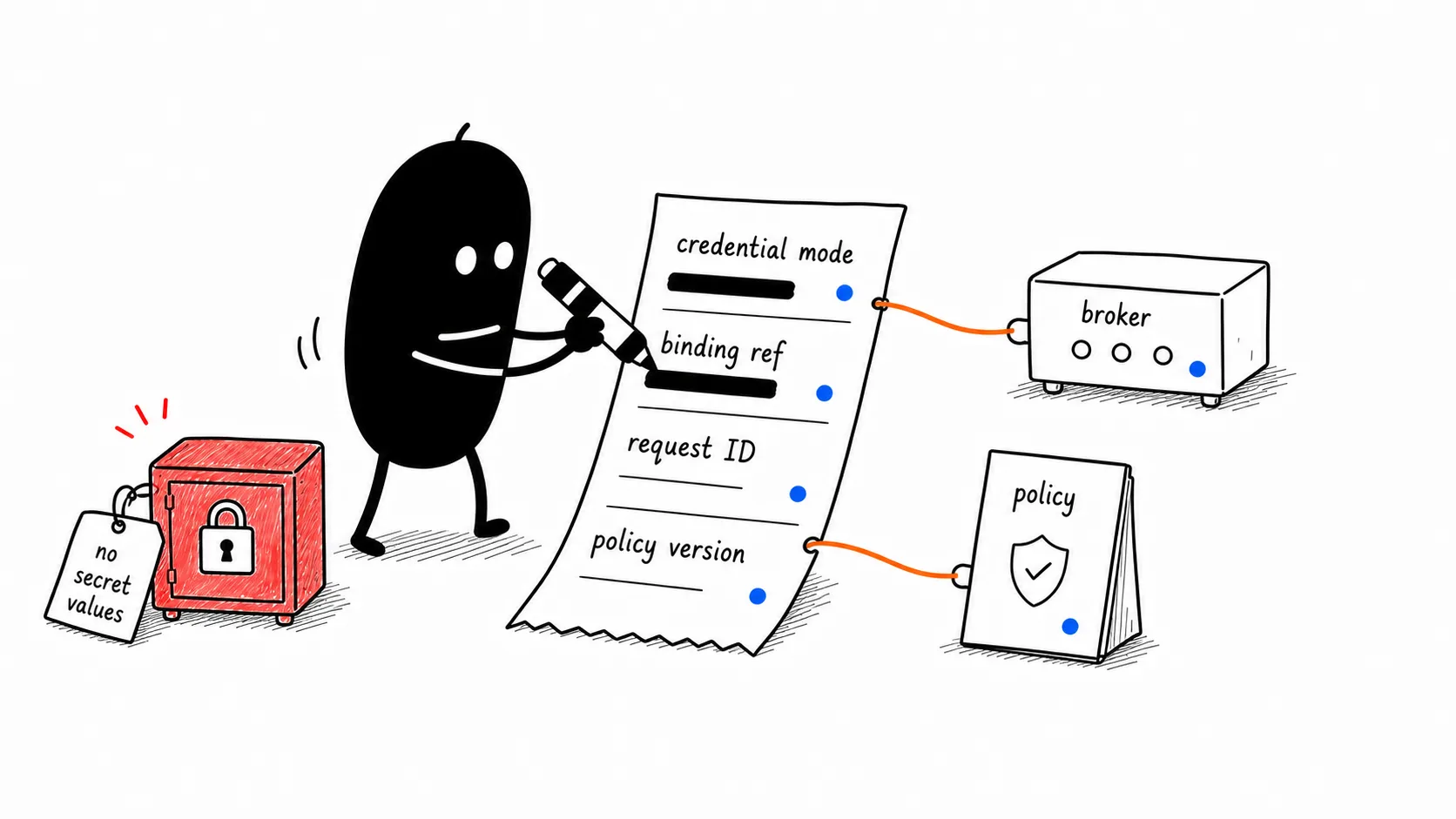
Why it mattersSecurity needs traceability without creating a new sensitive log.
Server Owners Stay Focused
Tool calls get the resolved mode, private backend route, and audit receipt while domain owners keep logic.
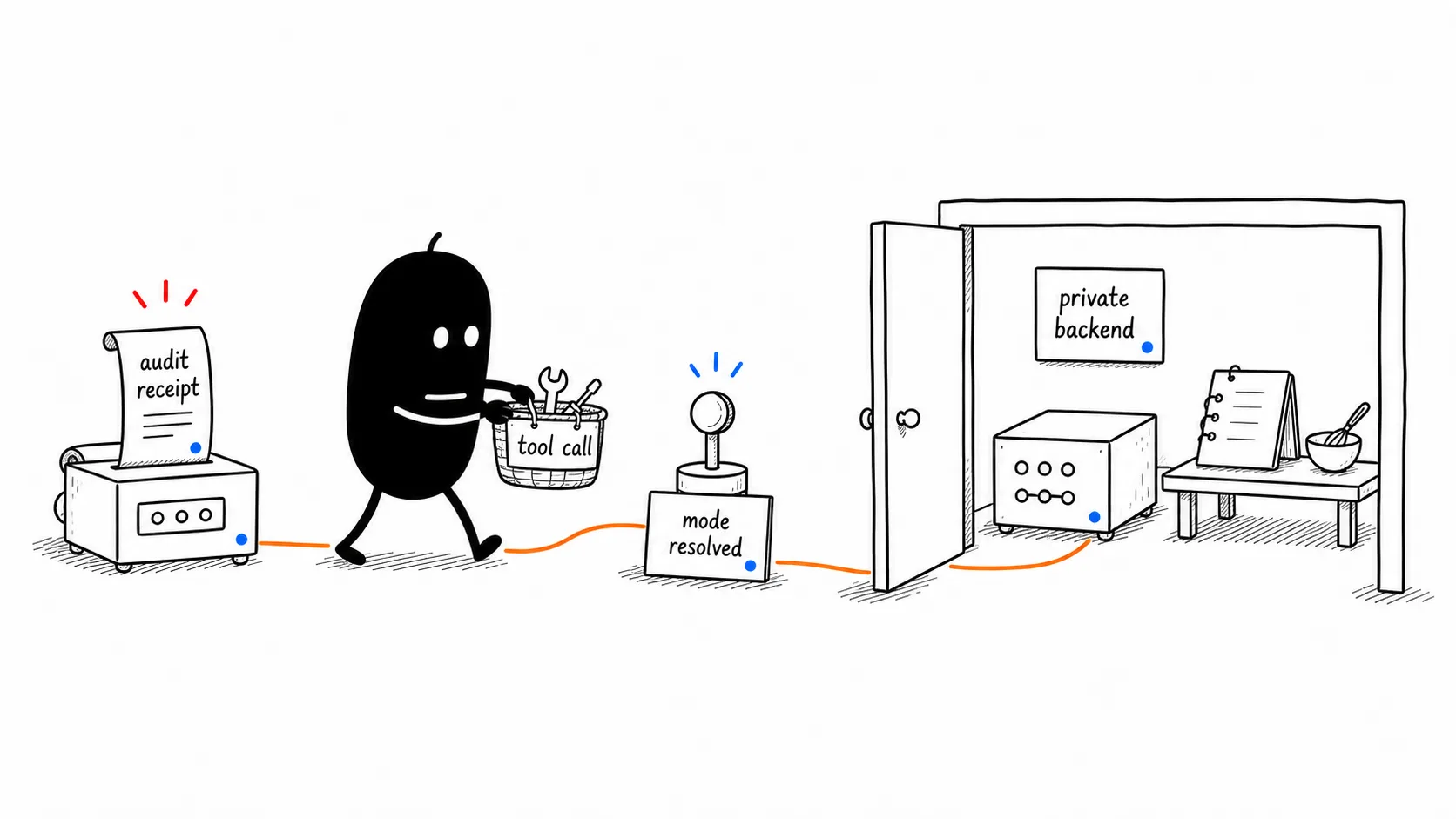
Why it mattersCredential governance should reduce platform burden, not steal domain ownership.
Credentials
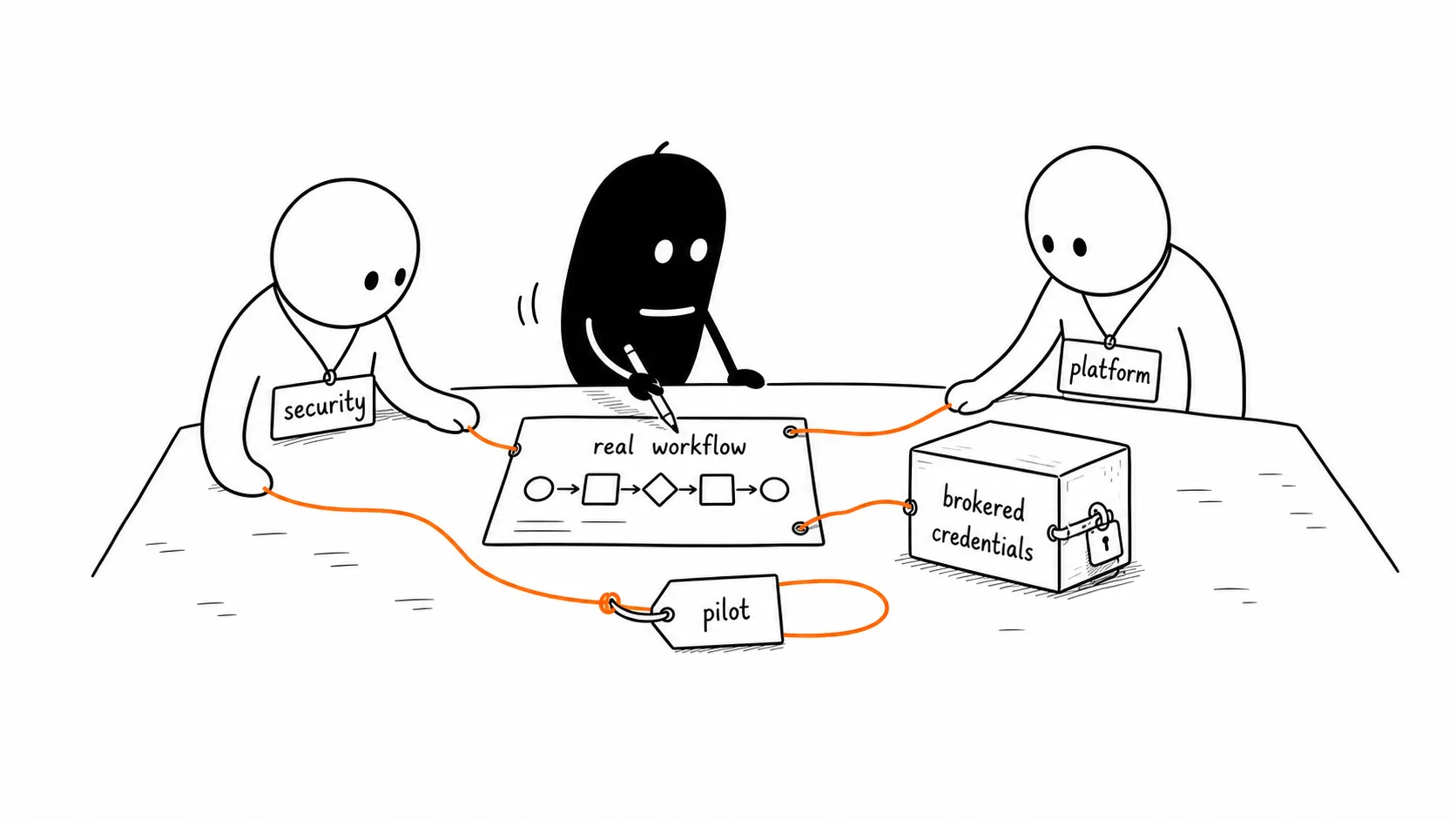
Broker credentials for a real workflow
We are looking for teams whose security and platform teams want brokered credentials for real MCP workflows.
Start with one workflow and one credential mode. Connect the existing secret store, bind access to policy and environment, run a real tool call, rotate or revoke the binding, and inspect the audit trail together.
The goal is to make agent access useful without making agents secret carriers.
Book a walkthrough