The Agent Starts Registered
The day starts before the first tool call: the agent has an owner, a purpose, and approved client surfaces.
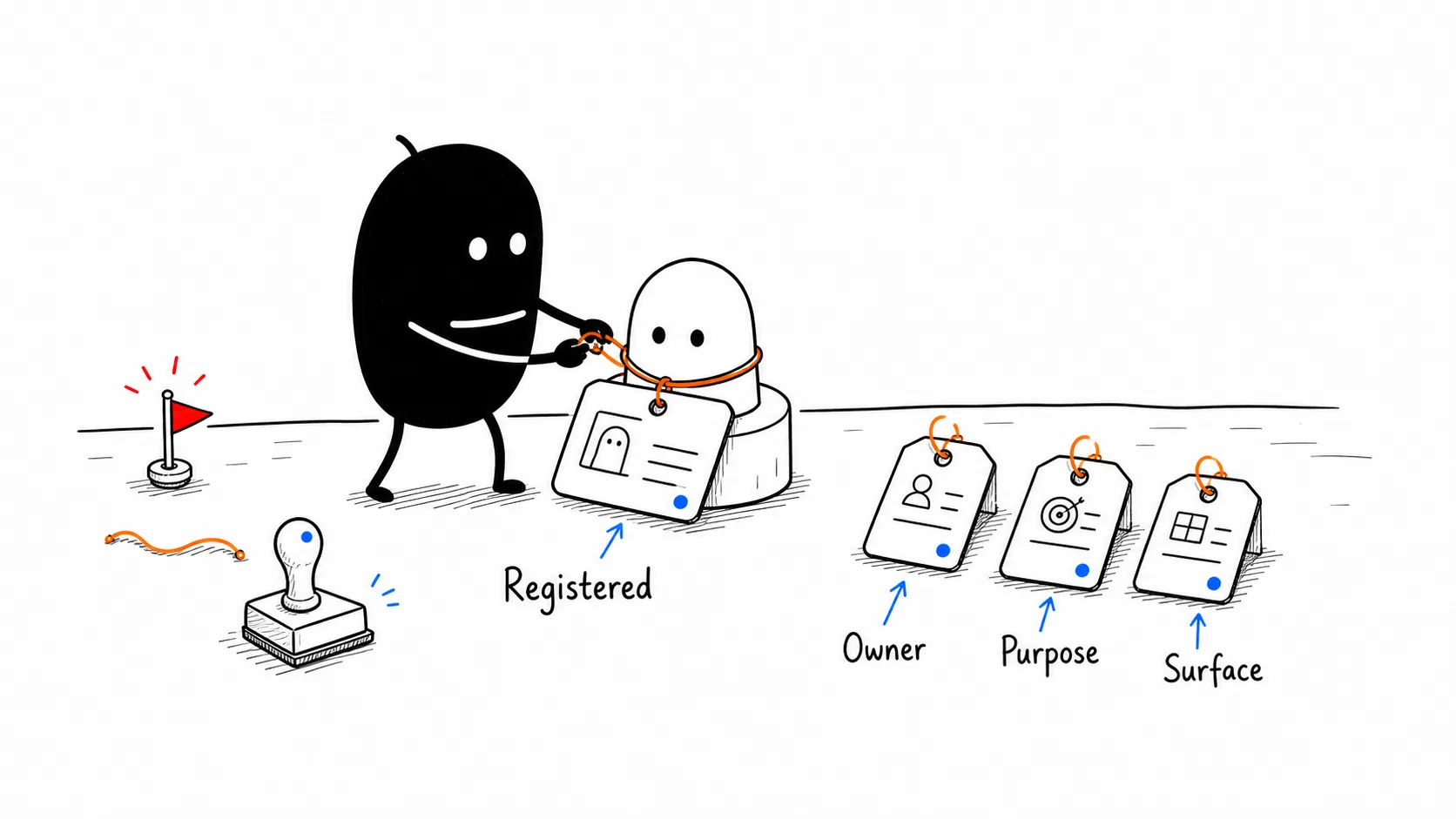
Why it mattersAgents become accountable subjects instead of loose API keys or anonymous automation.
Context Comes With The Connection
When the agent connects, the gateway evaluates more than an agent ID. It also sees tenant, environment, and client surface.
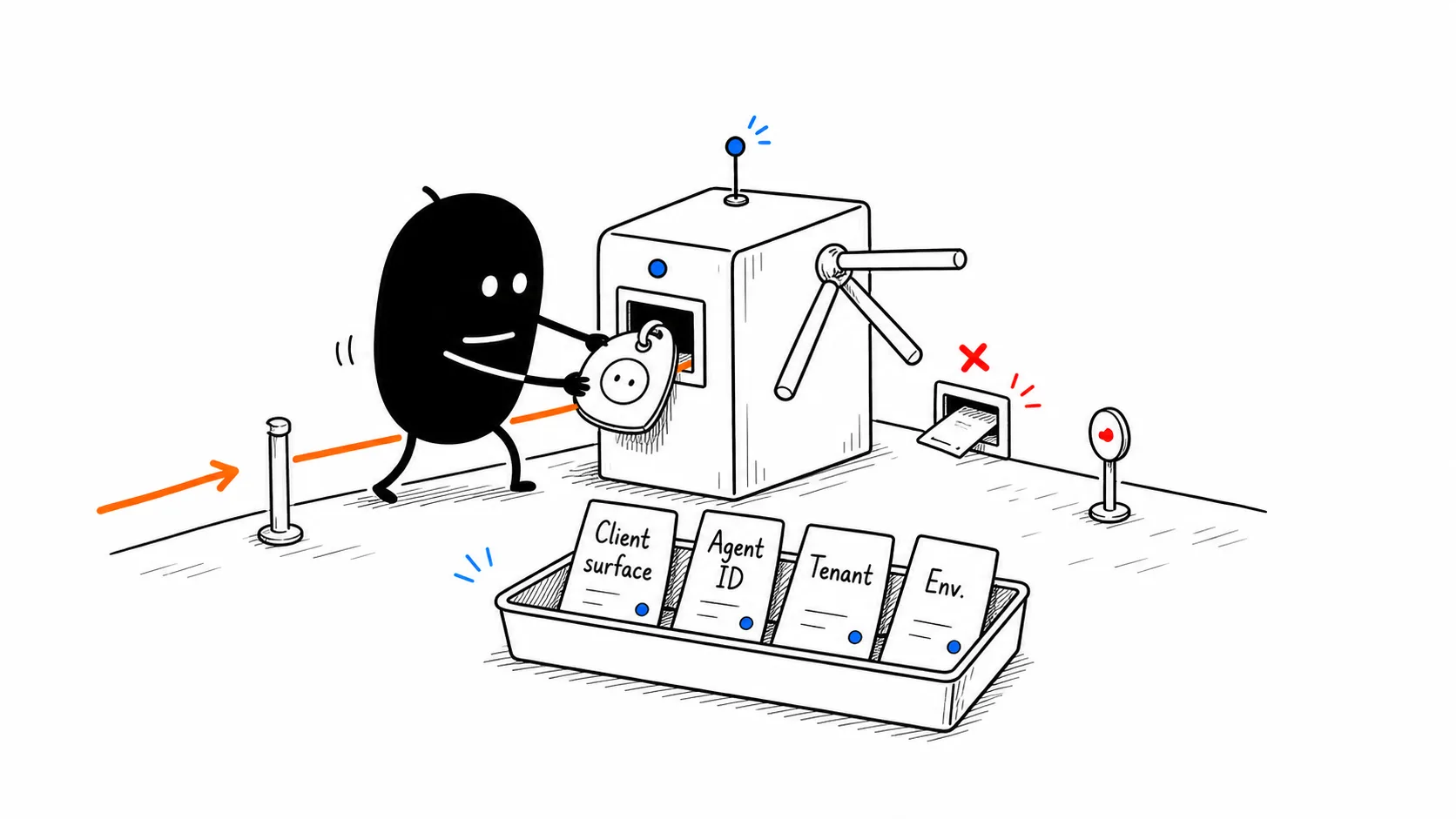
Why it mattersThe same agent can have different permissions depending on where and how it is being used.
Discovery Is Already Governed
The agent asks what tools exist, and the gateway returns only the tools policy allows it to discover.
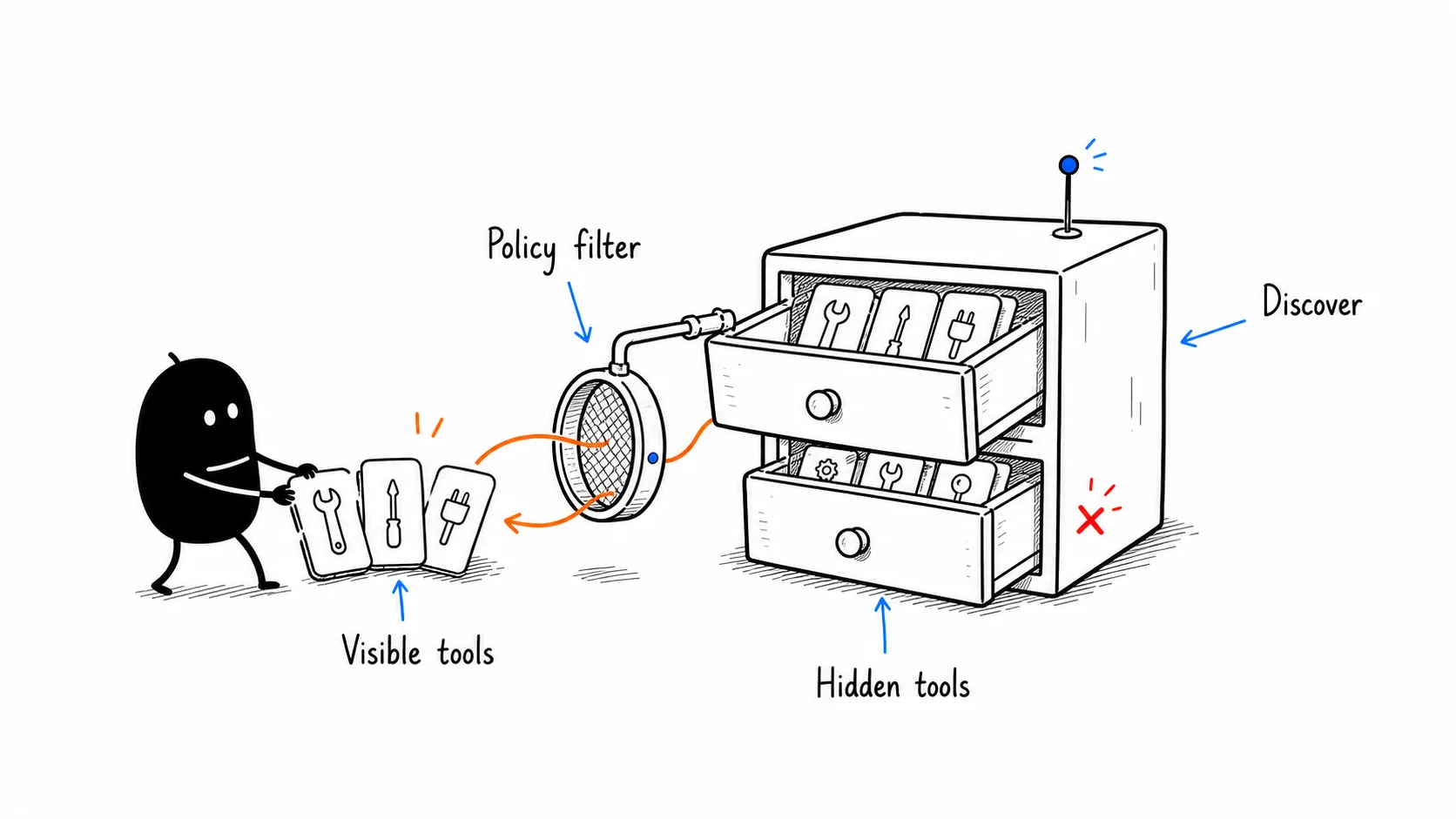
Why it mattersHidden tools stay hidden. Unauthorized capability is not advertised first and denied later.
A Read Tool Works
The agent calls a low-risk read tool. Policy allows it, the policy version is attached, and an audit receipt is emitted.
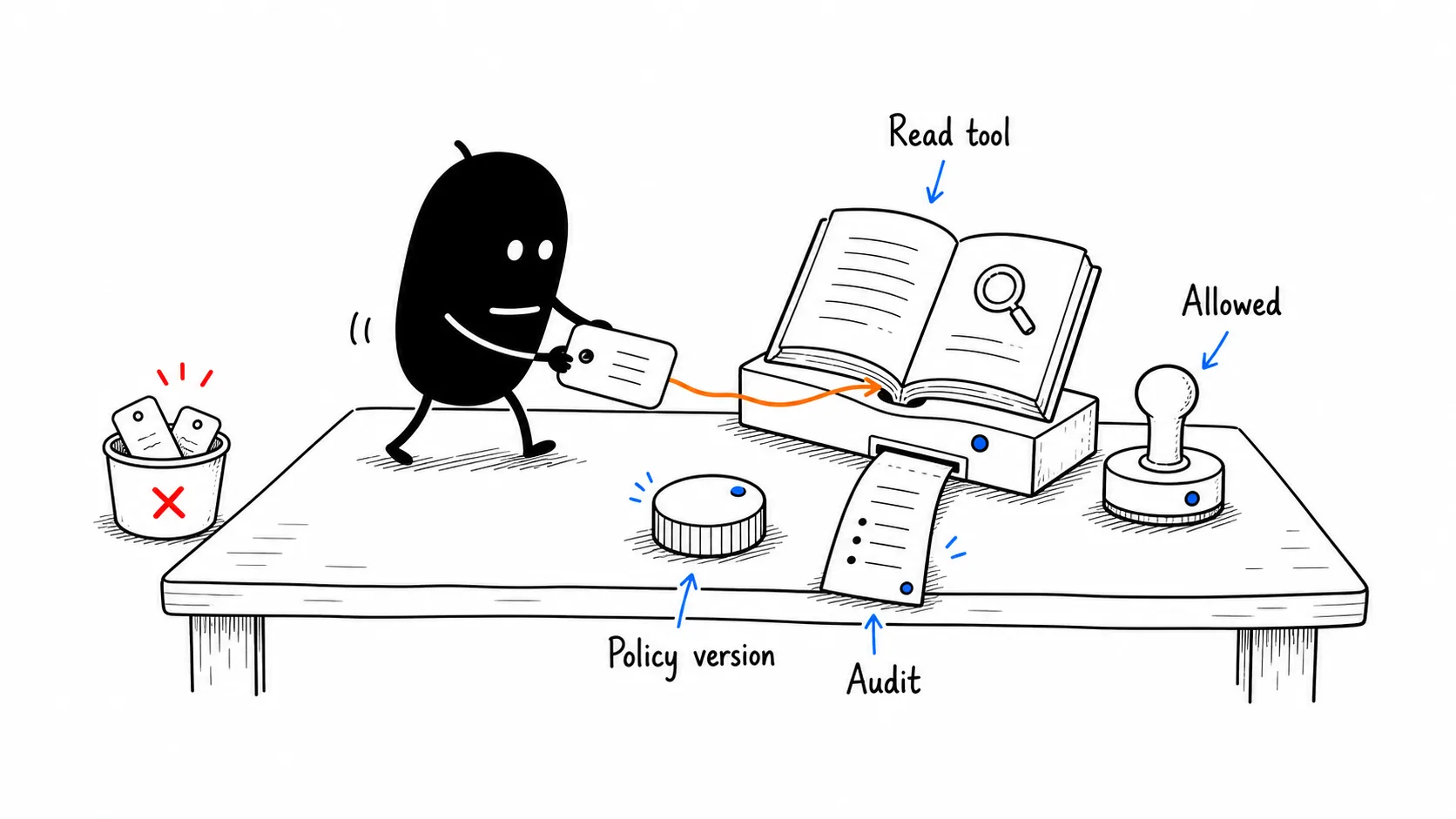
Why it mattersGood governance should let useful work happen with evidence, not turn every action into friction.
A Risky Write Stops Cleanly
The same agent tries a high-risk write. The gateway denies it and returns a reason the developer and security team can understand.
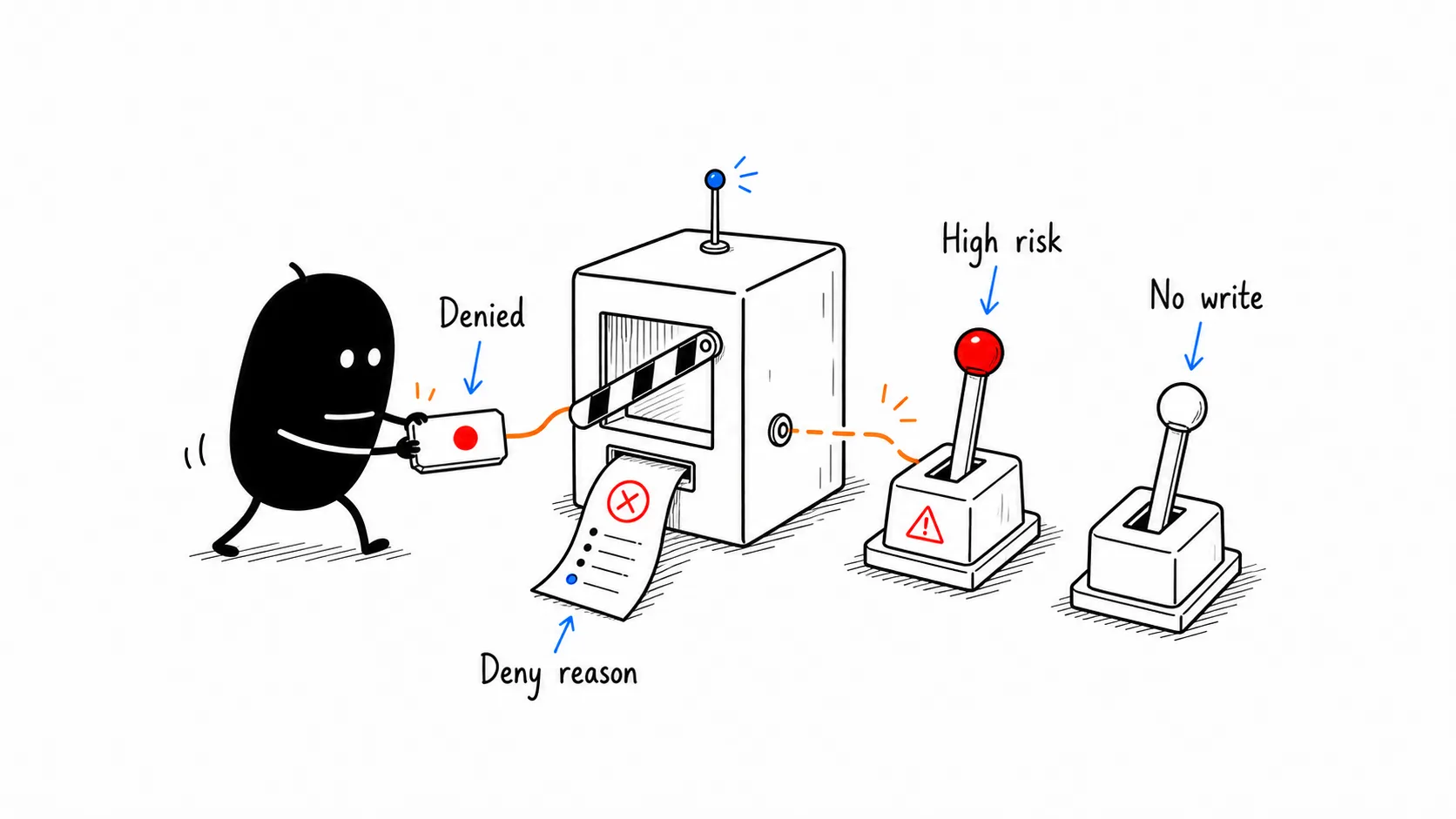
Why it mattersA clear deny is a useful control. It keeps agents inside approved authority while giving teams a path to fix policy or request access.
An API-Backed Tool Feels Native
The agent calls an MCP tool generated from a selected approved REST/OpenAPI operation.
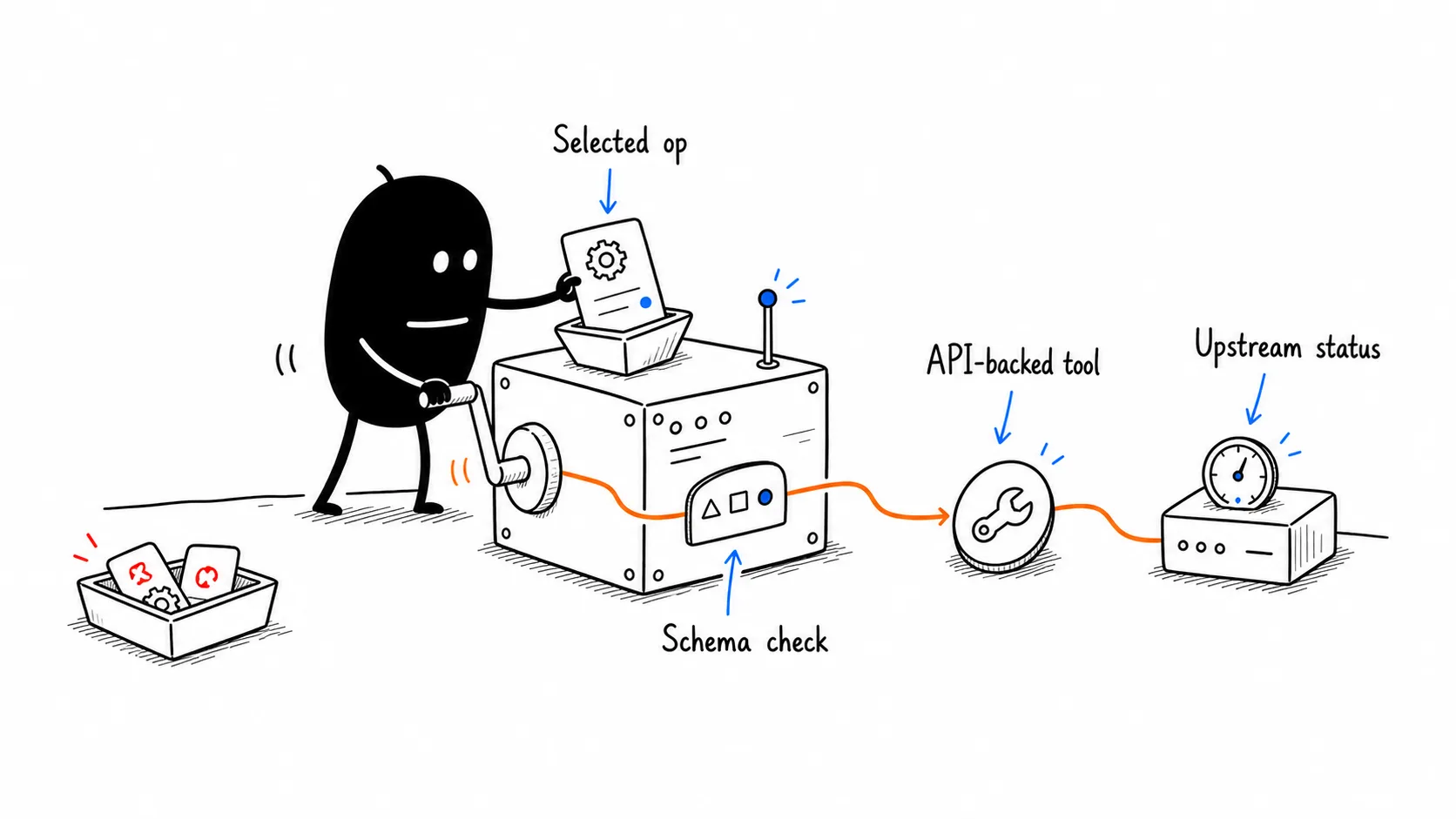
Why it mattersInternal APIs can become governed MCP tools without exposing every operation or bypassing schema checks and upstream status.
Credentials Stay Brokered
The gateway resolves credential mode and brokers access without handing secret values to the agent.
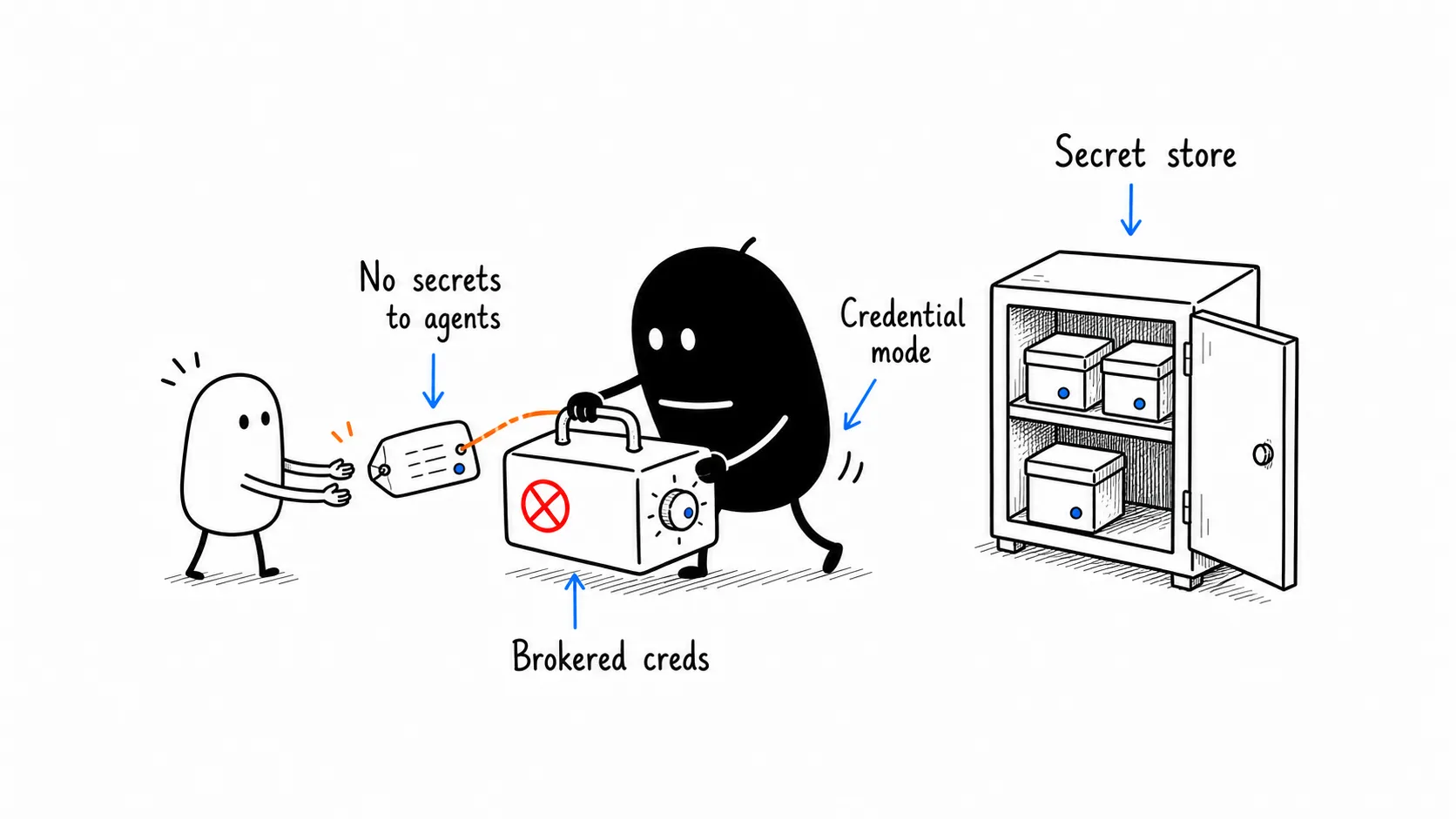
Why it mattersService, delegated, and agent-scoped credentials can be controlled centrally while still letting agents use real tools.
Private Routes Stay Private
The governed call reaches a private backend through an approved connector path.
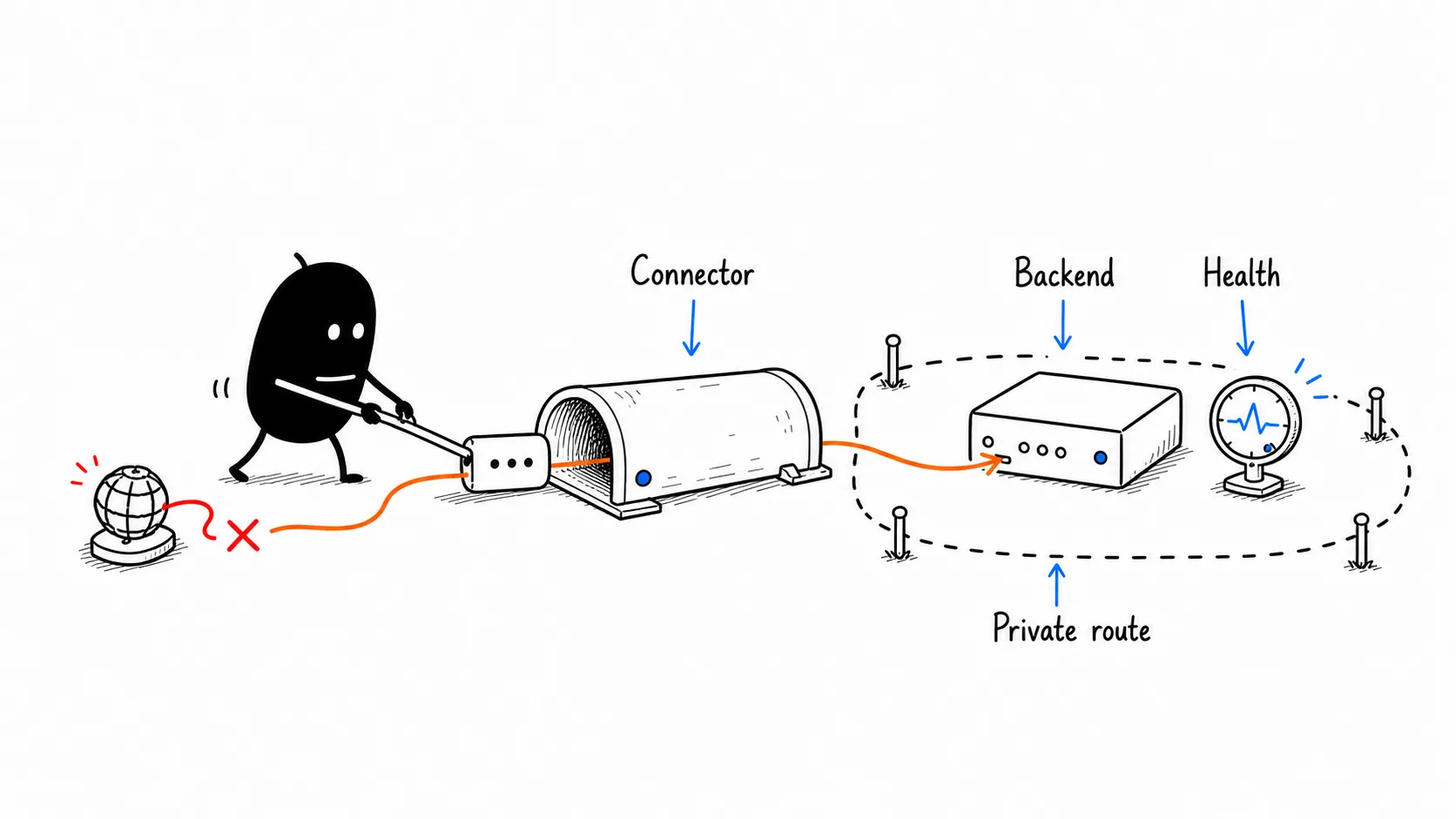
Why it mattersTeams can keep private MCP servers and internal APIs inside customer-controlled networks.
Sessions Have Shape
Long-running agent work gets session IDs, affinity, idle limits, and reconnect behavior where supported.
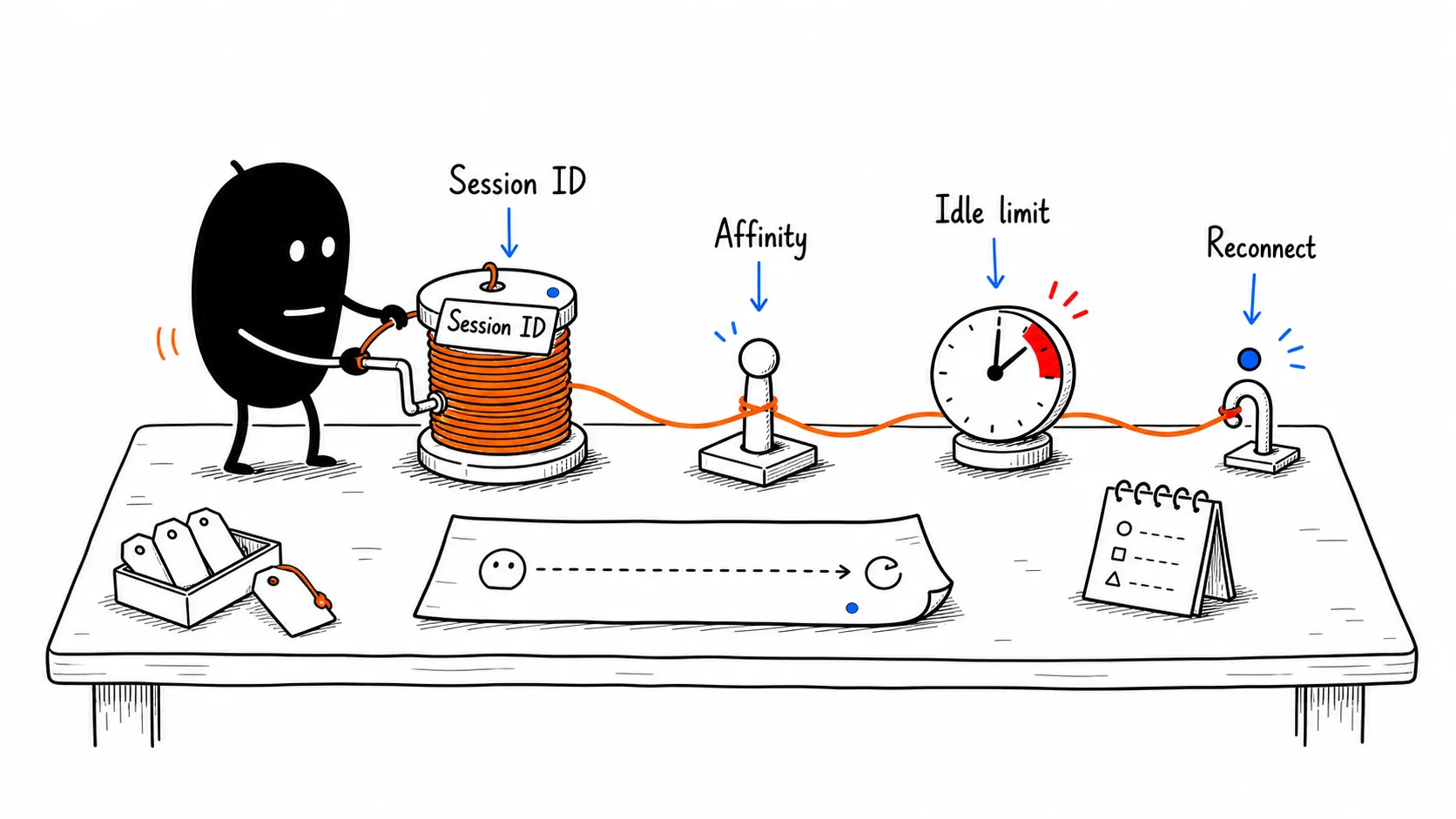
Why it mattersStateful MCP sessions need lifecycle control, not just one-time request checks.
Revocation Is A Workflow
When risk changes, security can revoke access, terminate affected sessions, require a reason, and record the action.
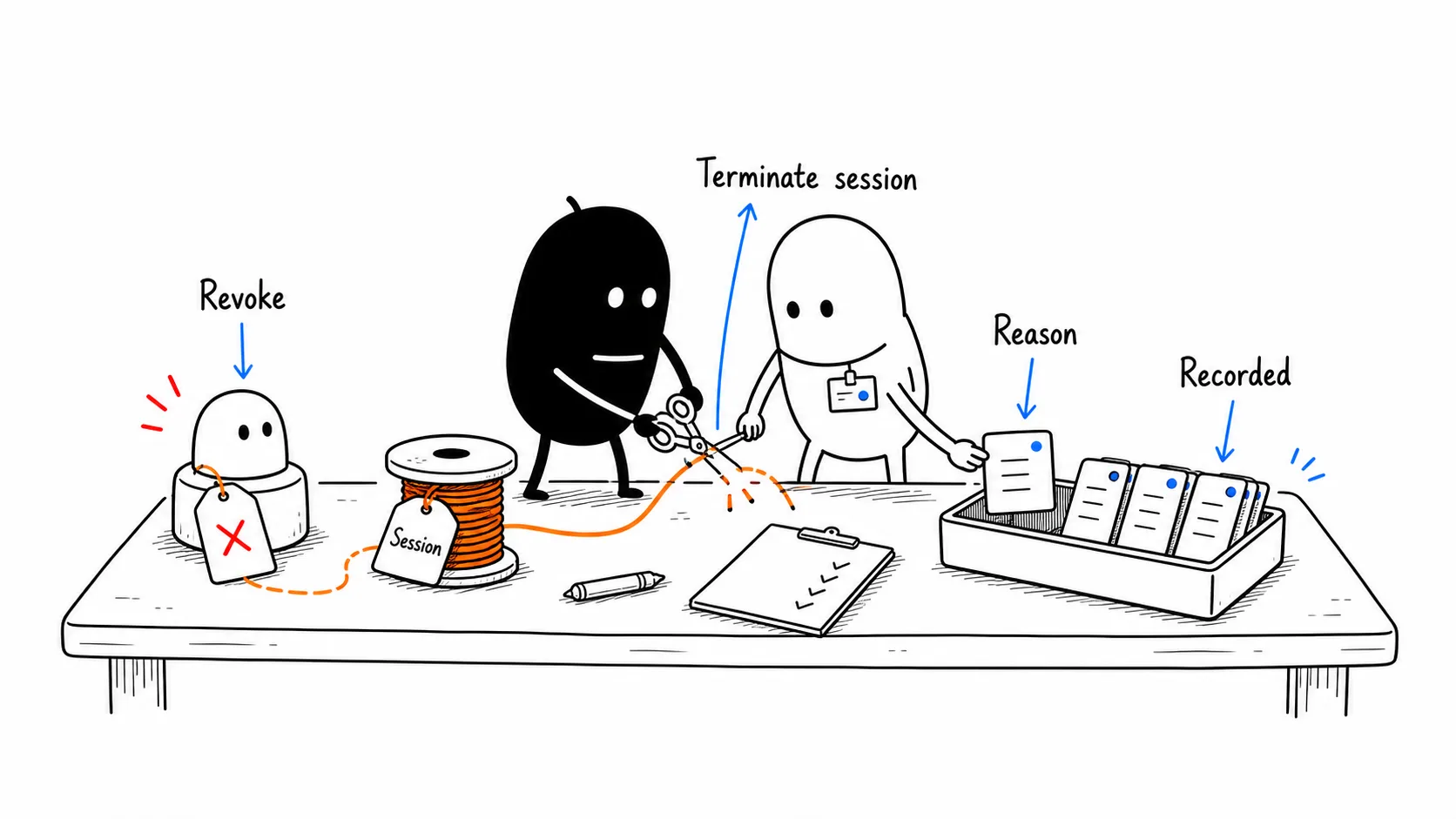
Why it mattersIncident response should be operationally clear, not a manual scramble across server owners and logs.
The Day Is Auditable
At the end of the day, security can inspect actor, tool, decision, and outcome across allowed, denied, and revoked events.
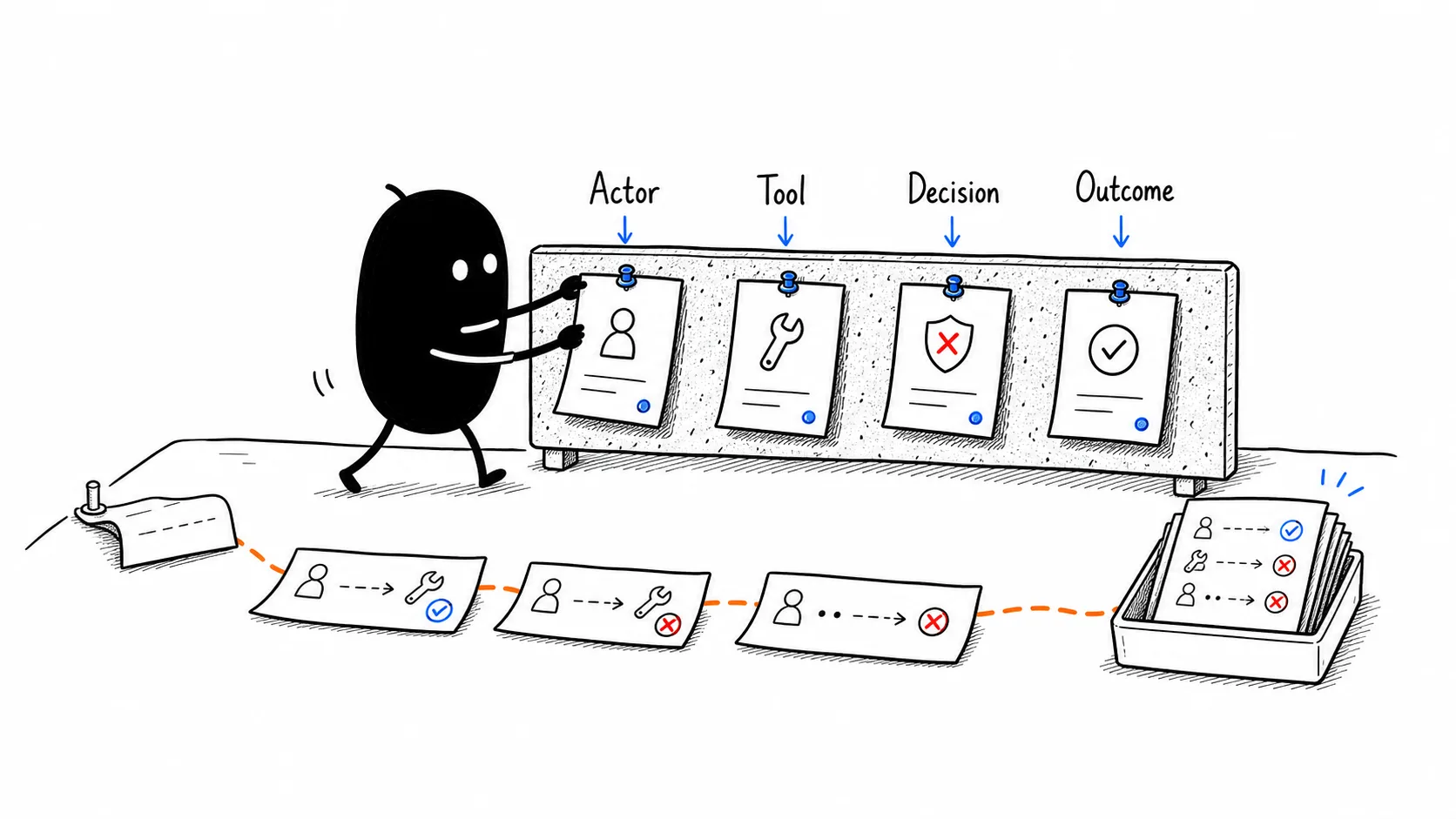
Why it mattersEvery important event should be searchable, exportable, and explainable without reconstructing it from scattered systems.
Governance Keeps The Agent Useful
The goal is not to stop agents. The goal is to let them use real tools with clear limits and audit-ready evidence.
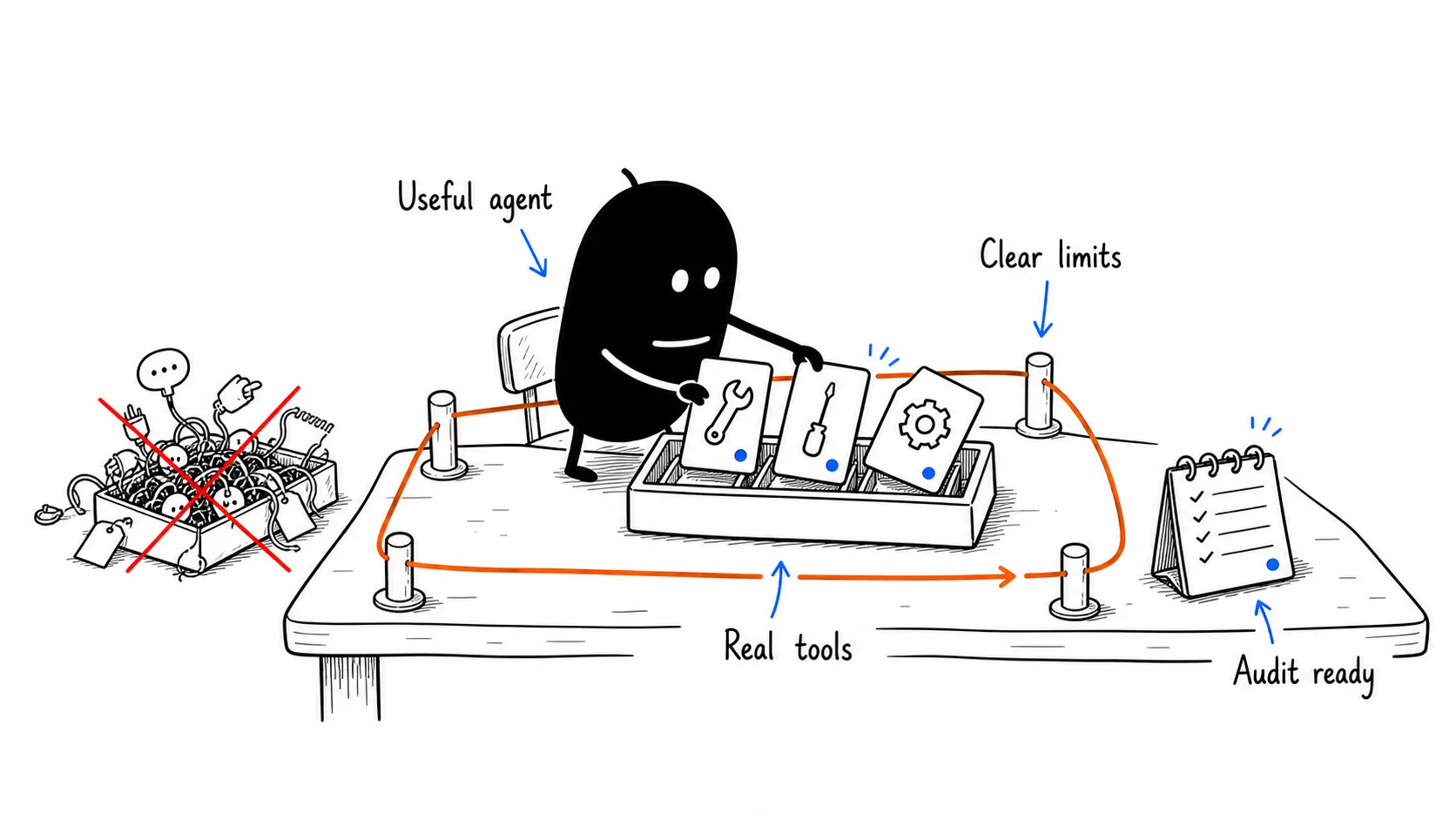
Why it mattersGoverned agents can move from experiments to production workflows that security and platform teams can support.
Runtime behavior
Put your own agent through a governed day
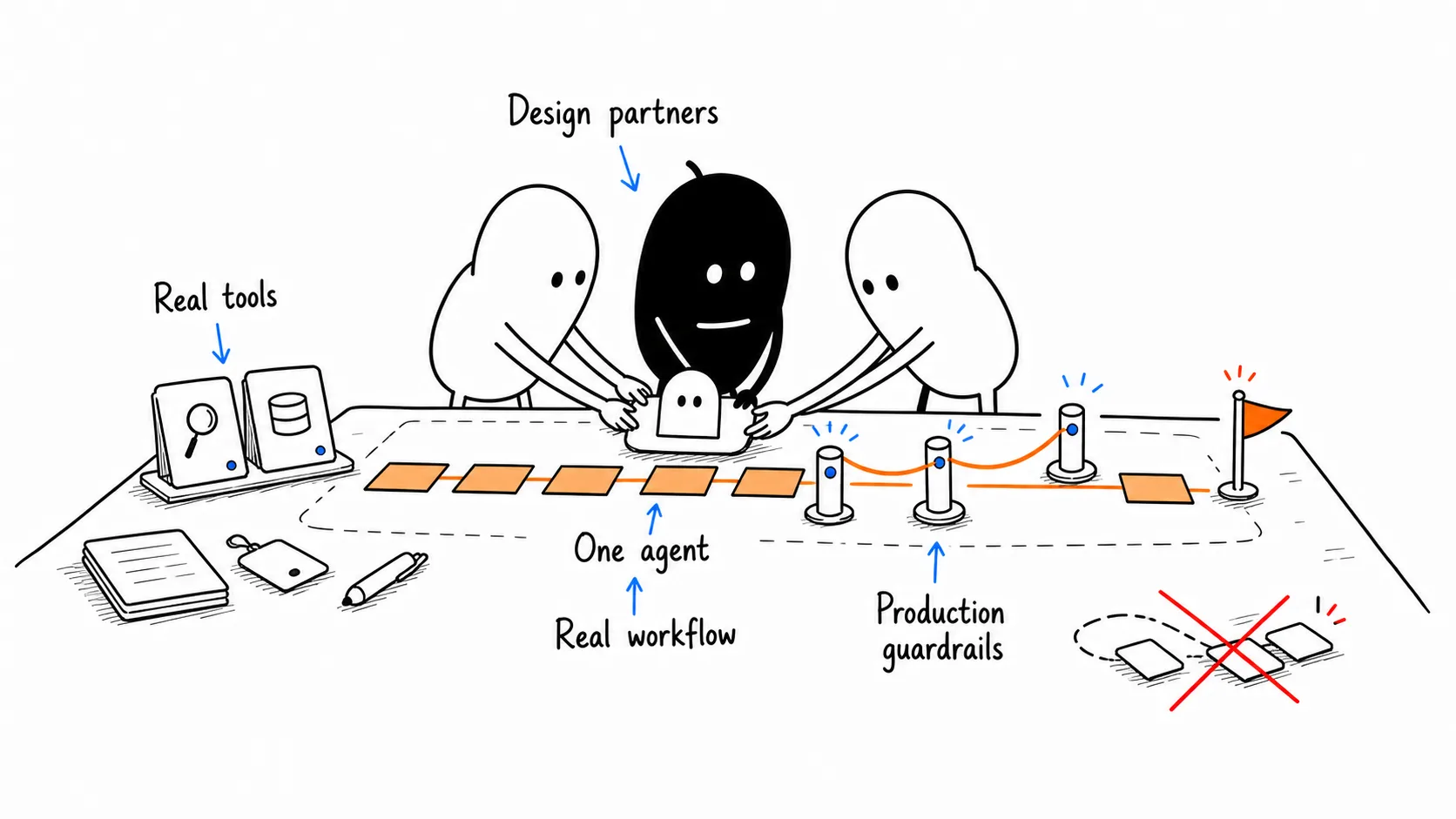
We are looking for teams who want to work closely with us on governed MCP adoption.
The best first pilot is one real agent workflow: register the agent, connect one private MCP server or selected API-backed tool, attach policy and credentials, then run realistic calls with audit enabled.
If your teams are already experimenting with MCP agents, we would like to partner with you directly: map the first workflow, deploy inside your trust boundary, and prove the guardrails needed for production use.
Talk to our team