Five Objects On The Workbench
The gateway can be understood as five linked objects on one governed path.
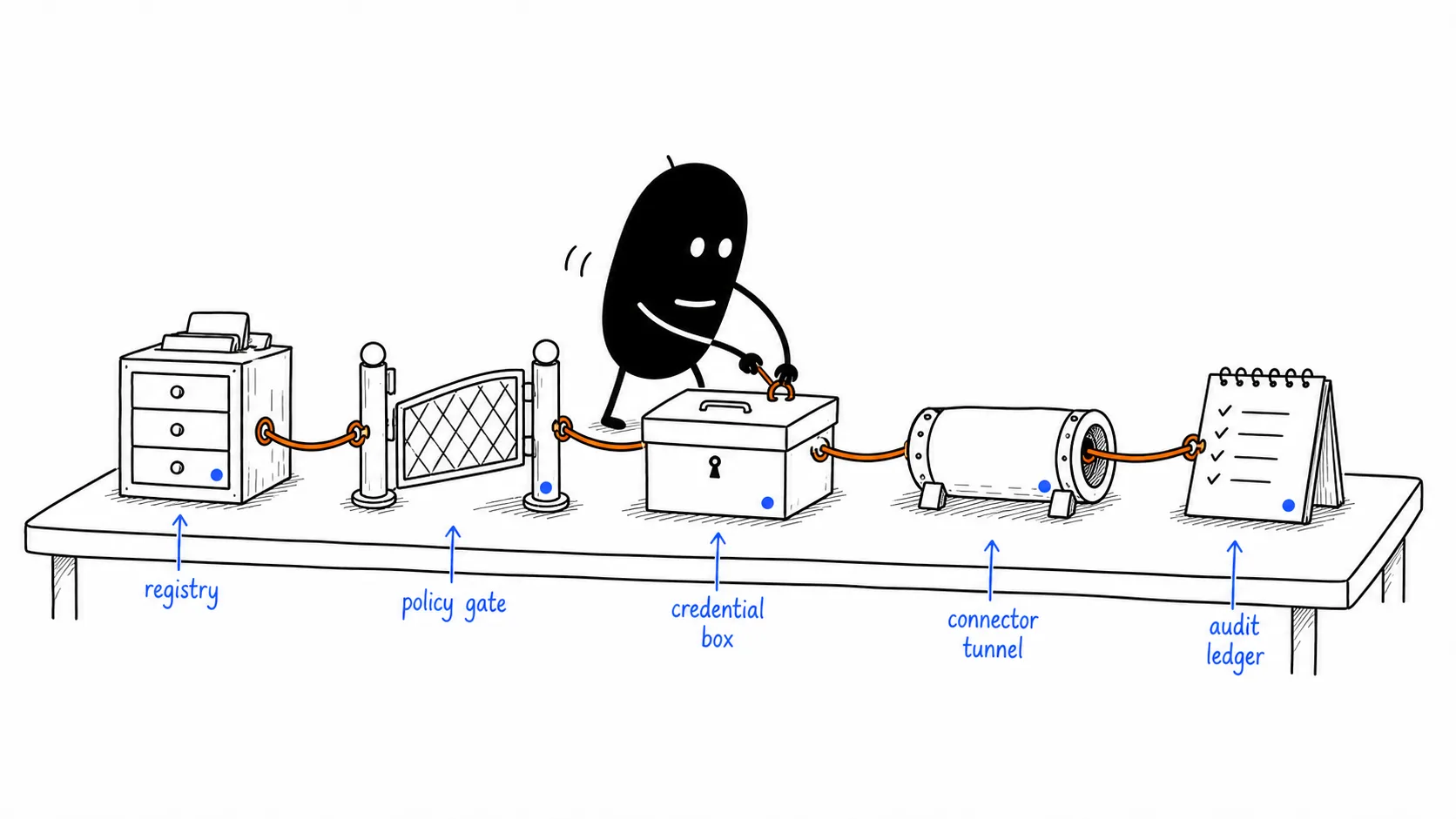
Why it mattersA simple mental model helps teams explain MCP governance internally.
Registry Shelf
The registry holds approved servers and approved APIs with owner and risk metadata.
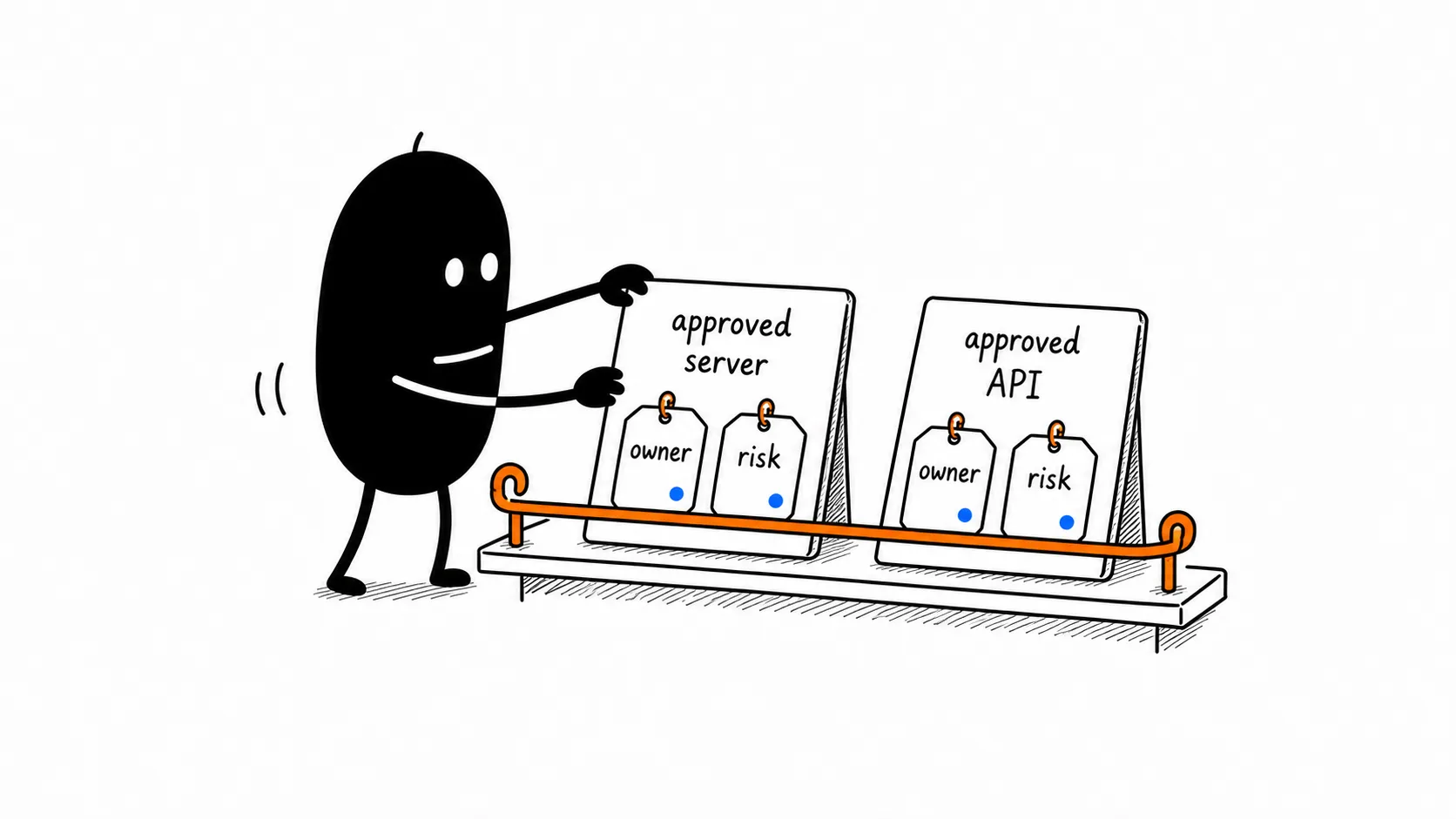
Why it mattersGovernance starts with knowing what exists and who owns it.
Registry Card Tags
Each registry card carries environment, owner, policy refs, and connection notes.
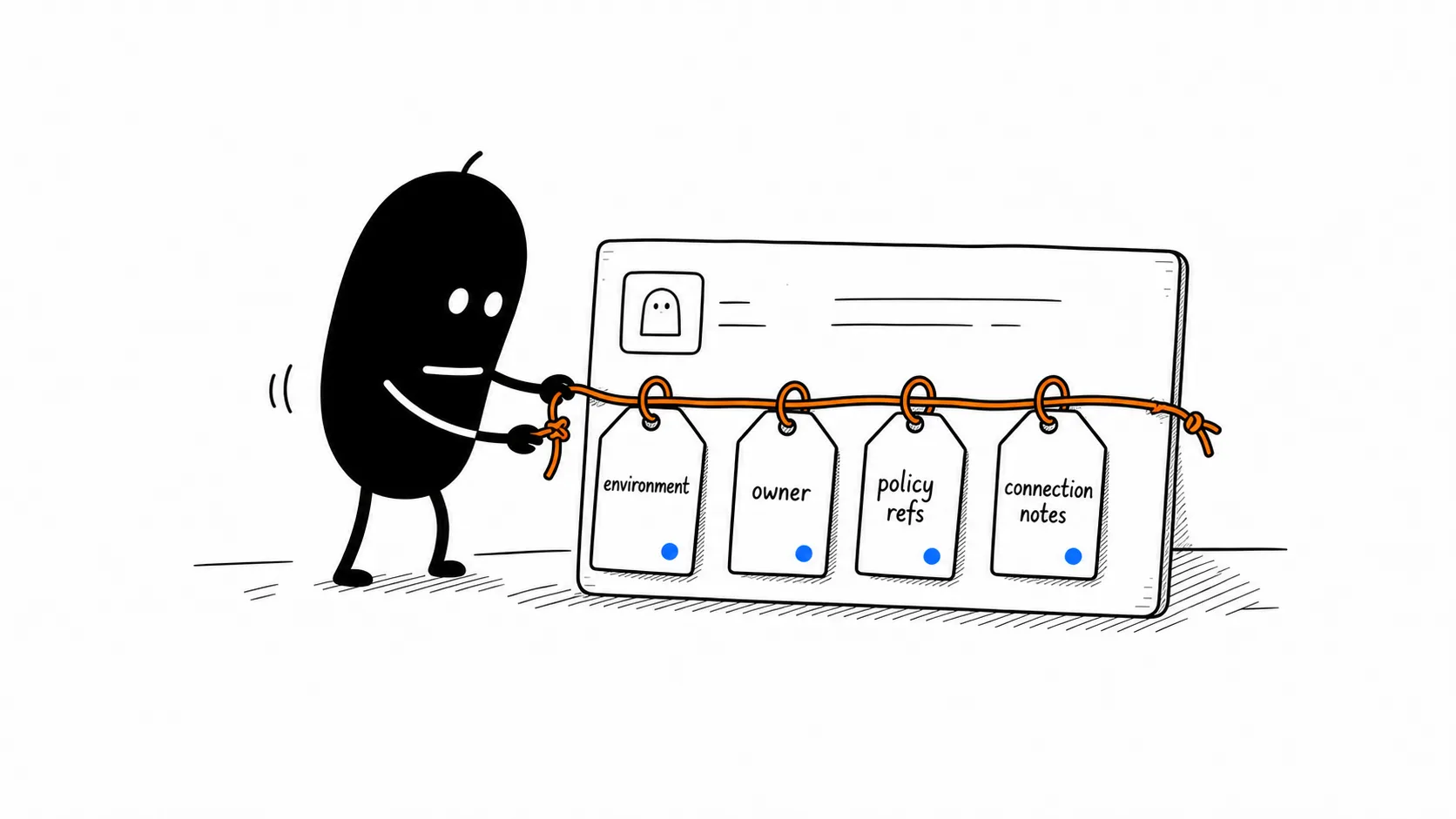
Why it mattersTools without metadata become hard to review or operate.
Policy Gate Ticket
Identity, agent, surface, and environment context determine whether the gate opens.
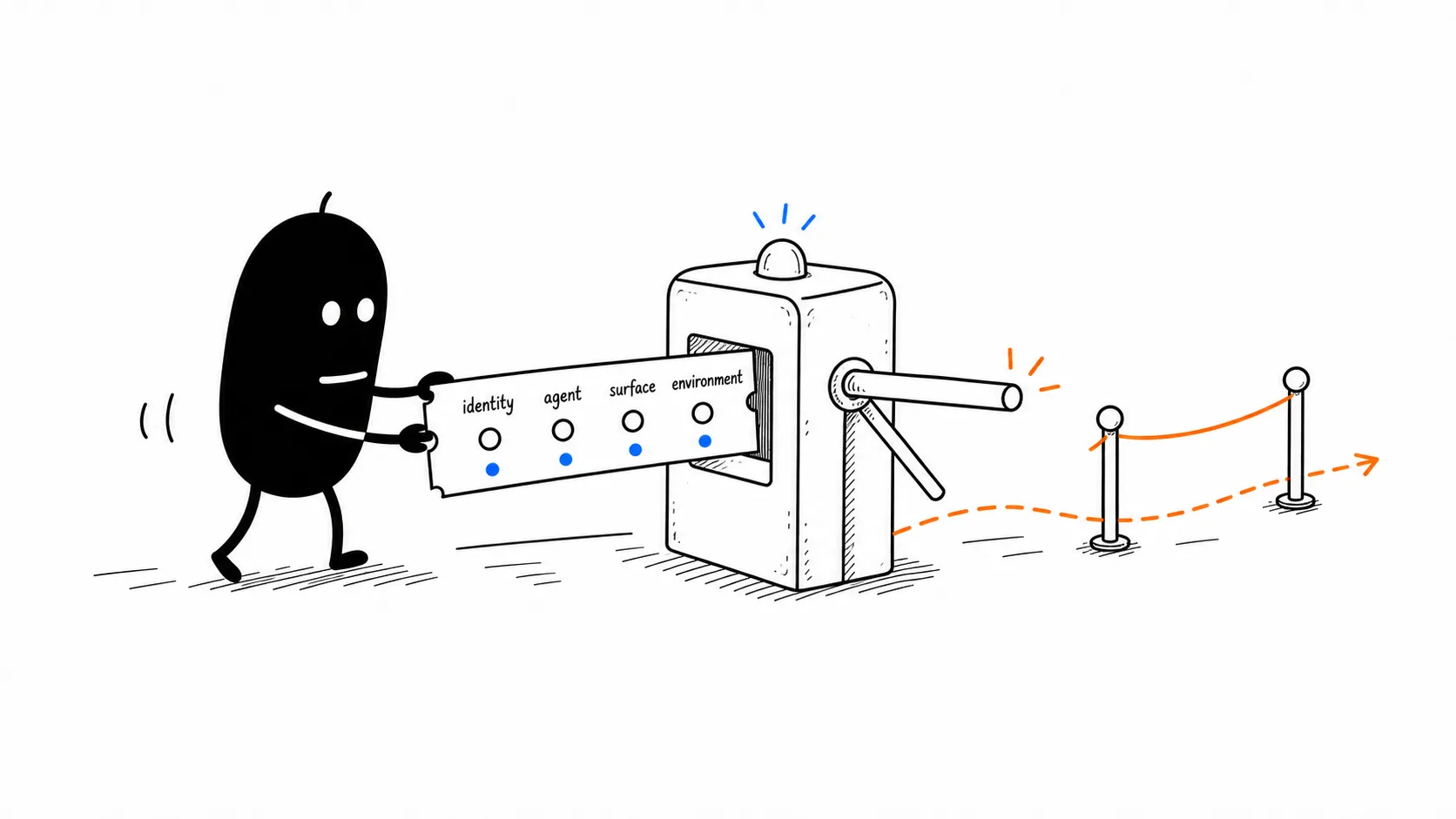
Why it mattersThe gateway must govern the actor and context, not just the tool name.
Policy Gate Deny
A risky write can be denied with reason and policy version.
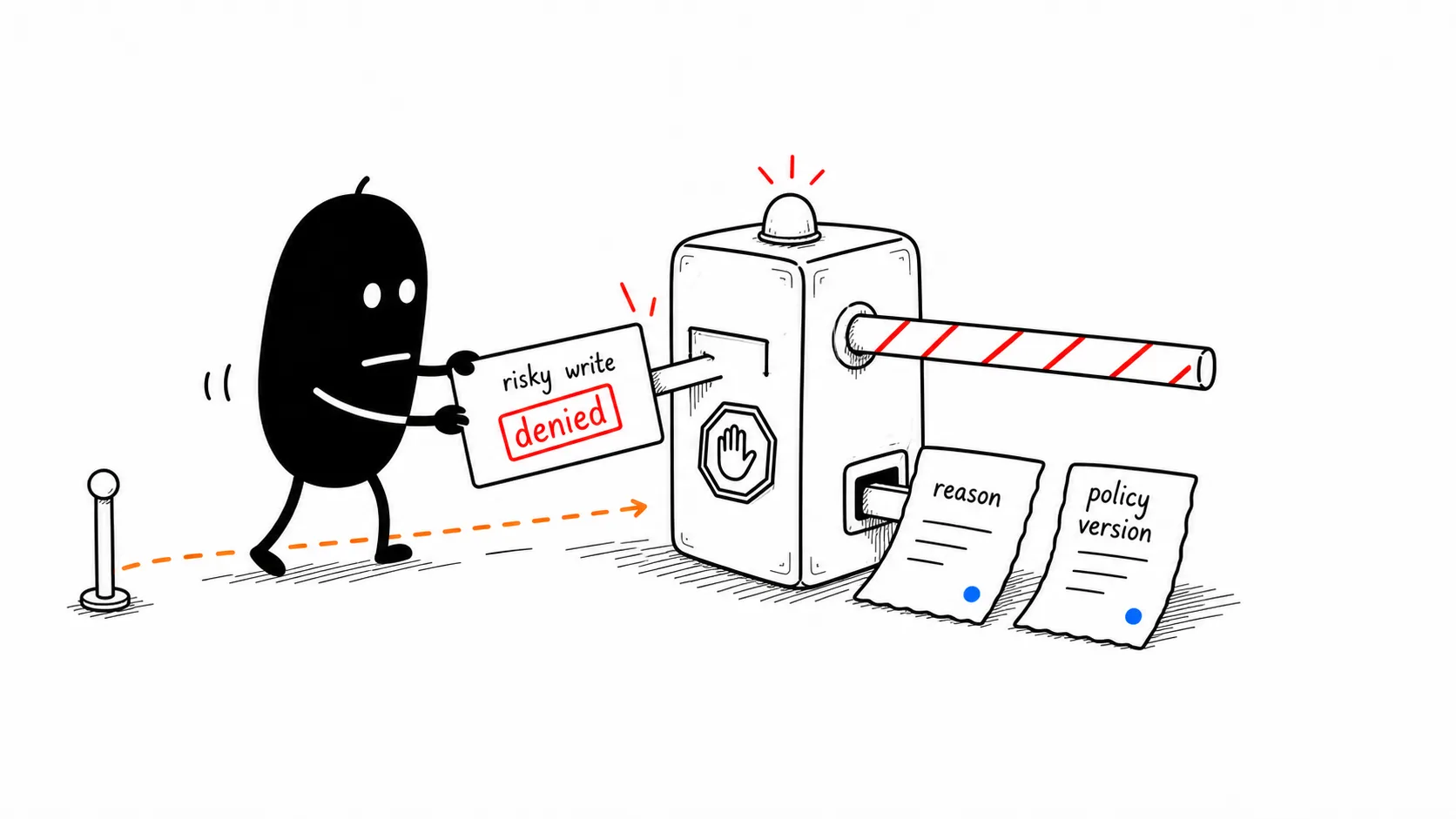
Why it mattersDenial must be explainable, not mysterious.
Credential Box Slot
Service, delegated, and agent-scoped modes become brokered access tickets.
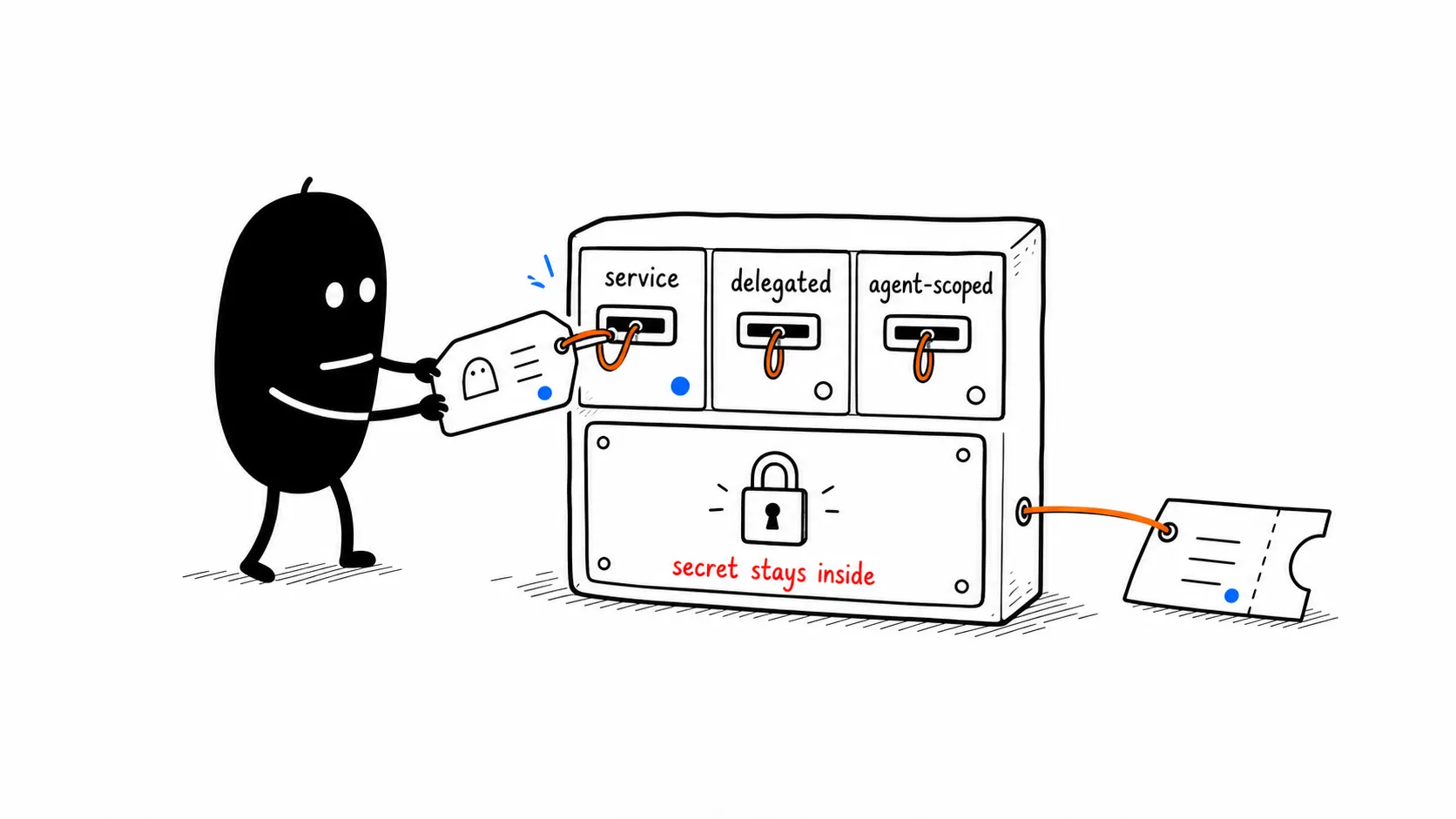
Why it mattersAgents need access paths without becoming secret holders.
Credential Box Vault
Secret managers, OAuth, and rotation feed brokered use.
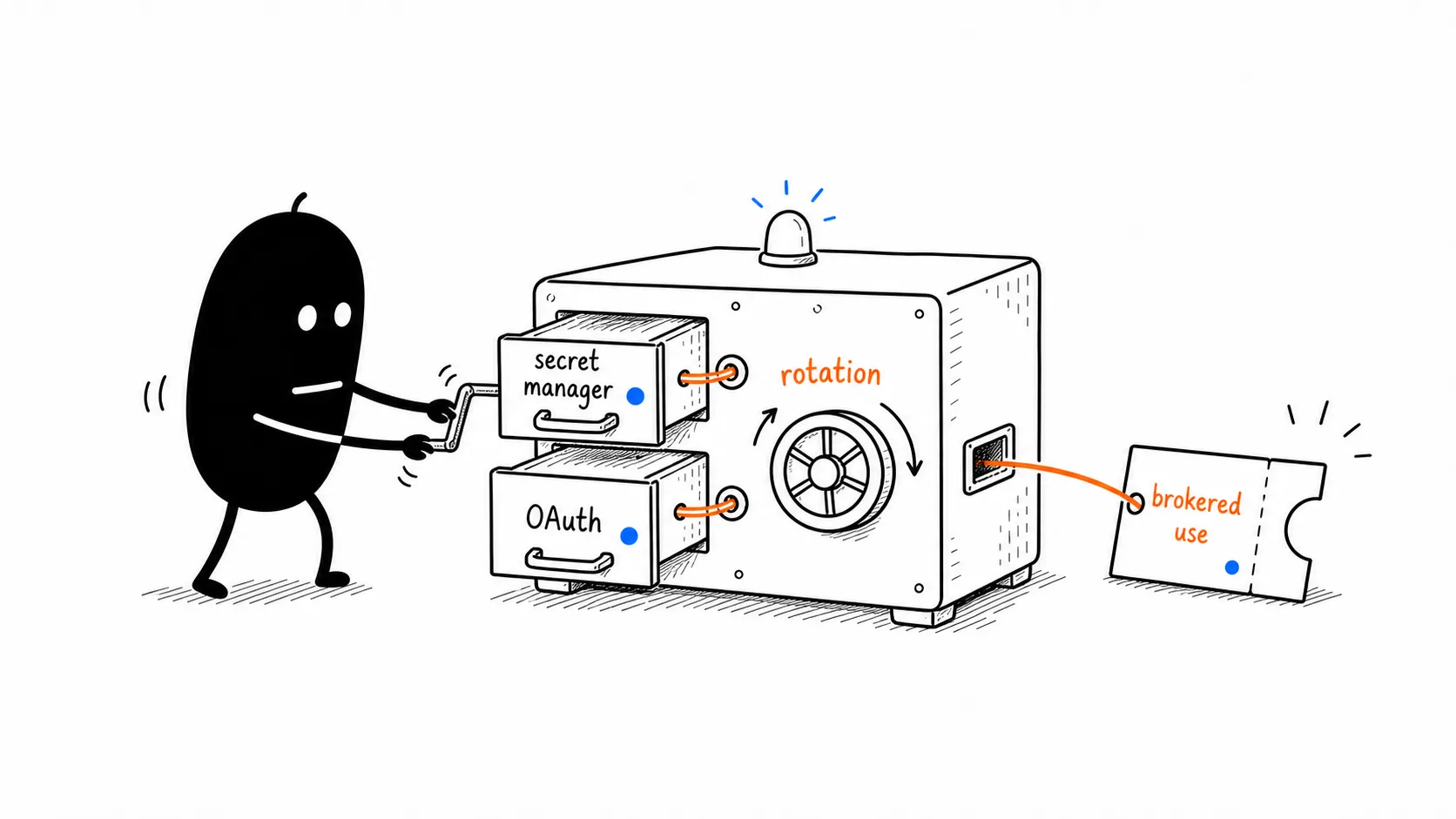
Why it mattersExisting credential systems should remain sources of truth.
Connector Tunnel
The connector tunnel carries approved calls to internal APIs and MCP servers.
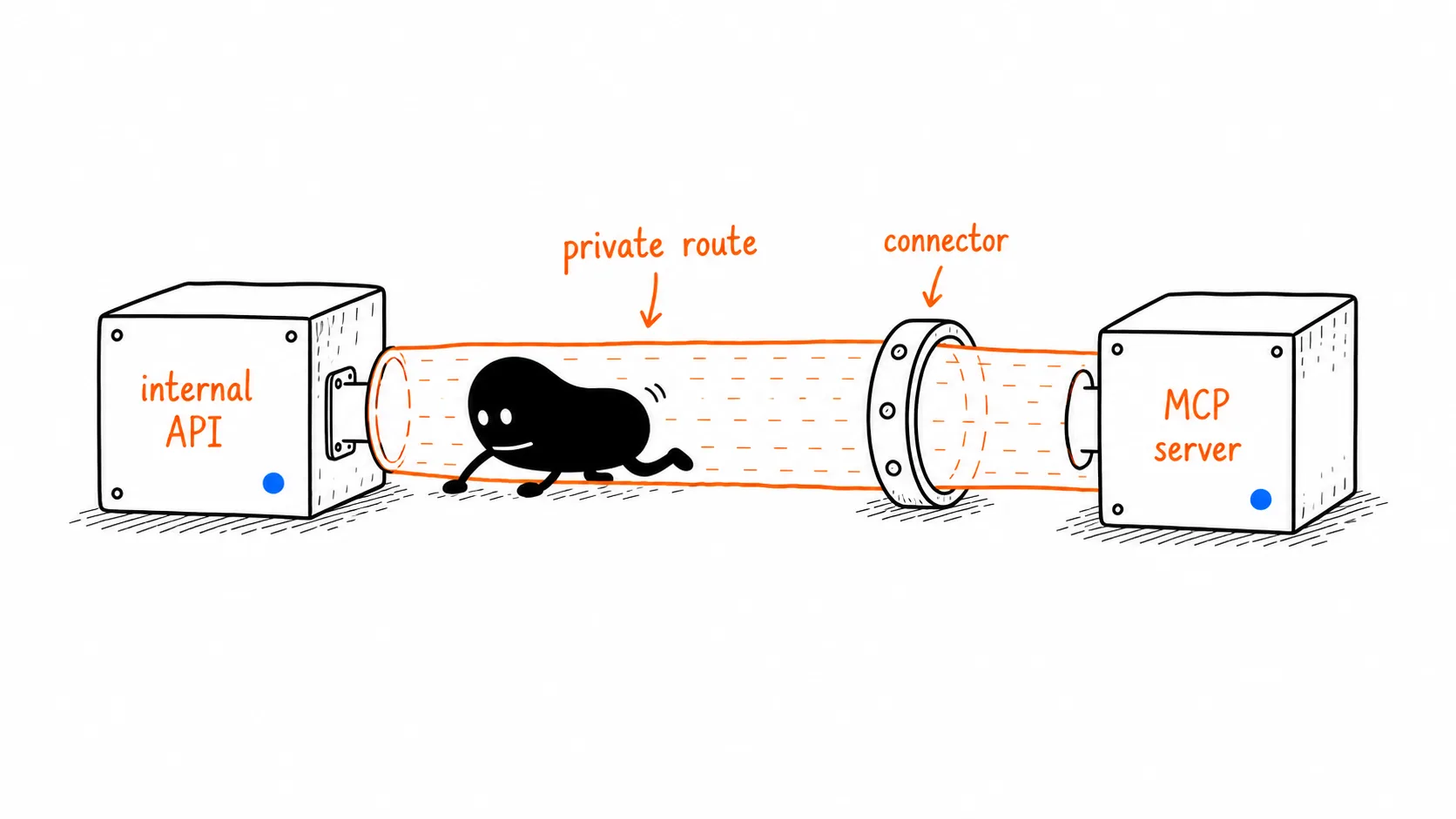
Why it mattersPrivate systems should stay private while still being reachable through governed paths.
Session Tunnel Tags
Session ID, affinity, reconnect, and terminate tags travel with the tunnel.
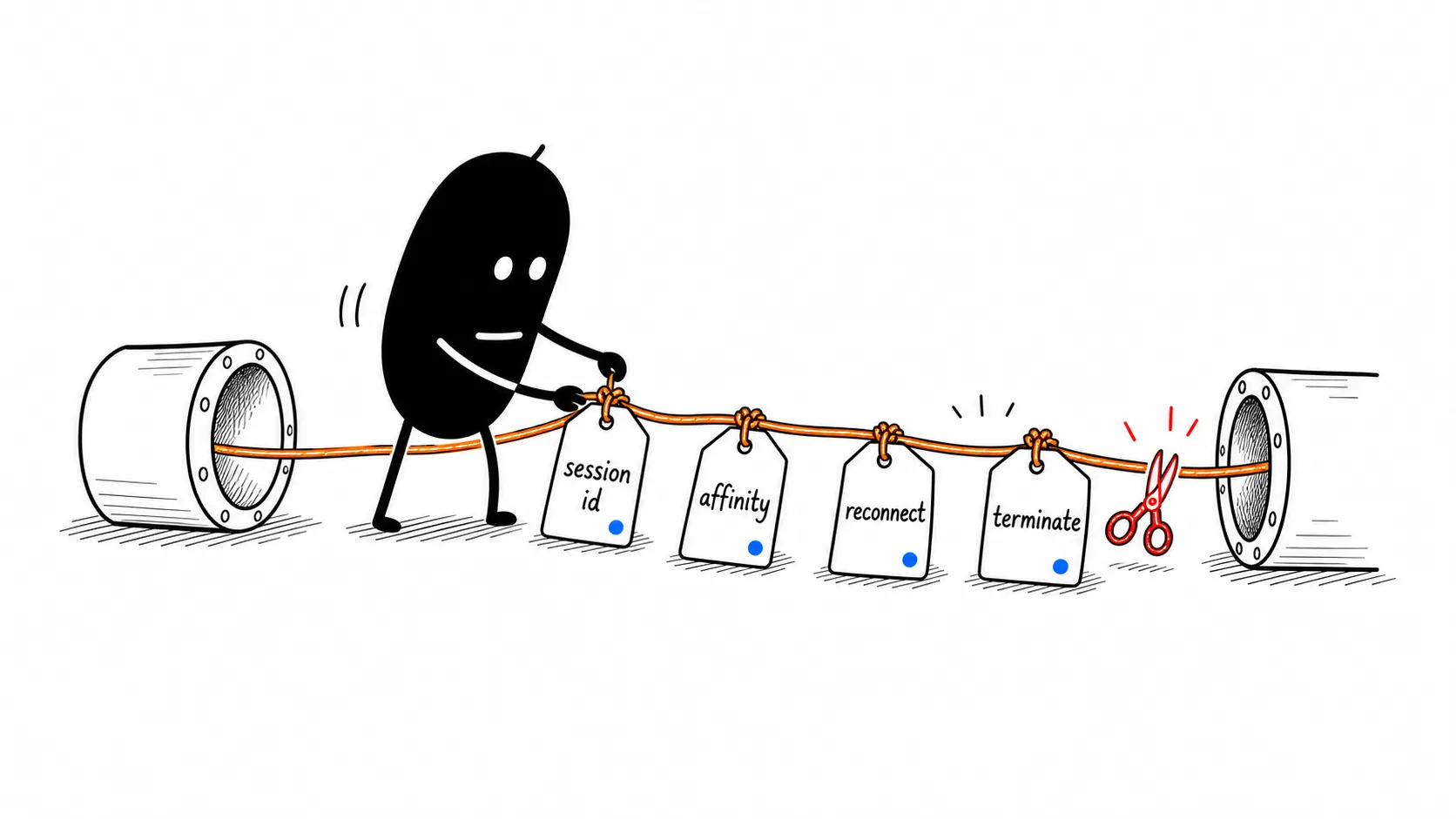
Why it mattersStateful MCP needs lifecycle controls, not only one-shot authorization.
Audit Ledger Crank
Actor, tool, decision, credential mode, and outcome become an audit receipt.
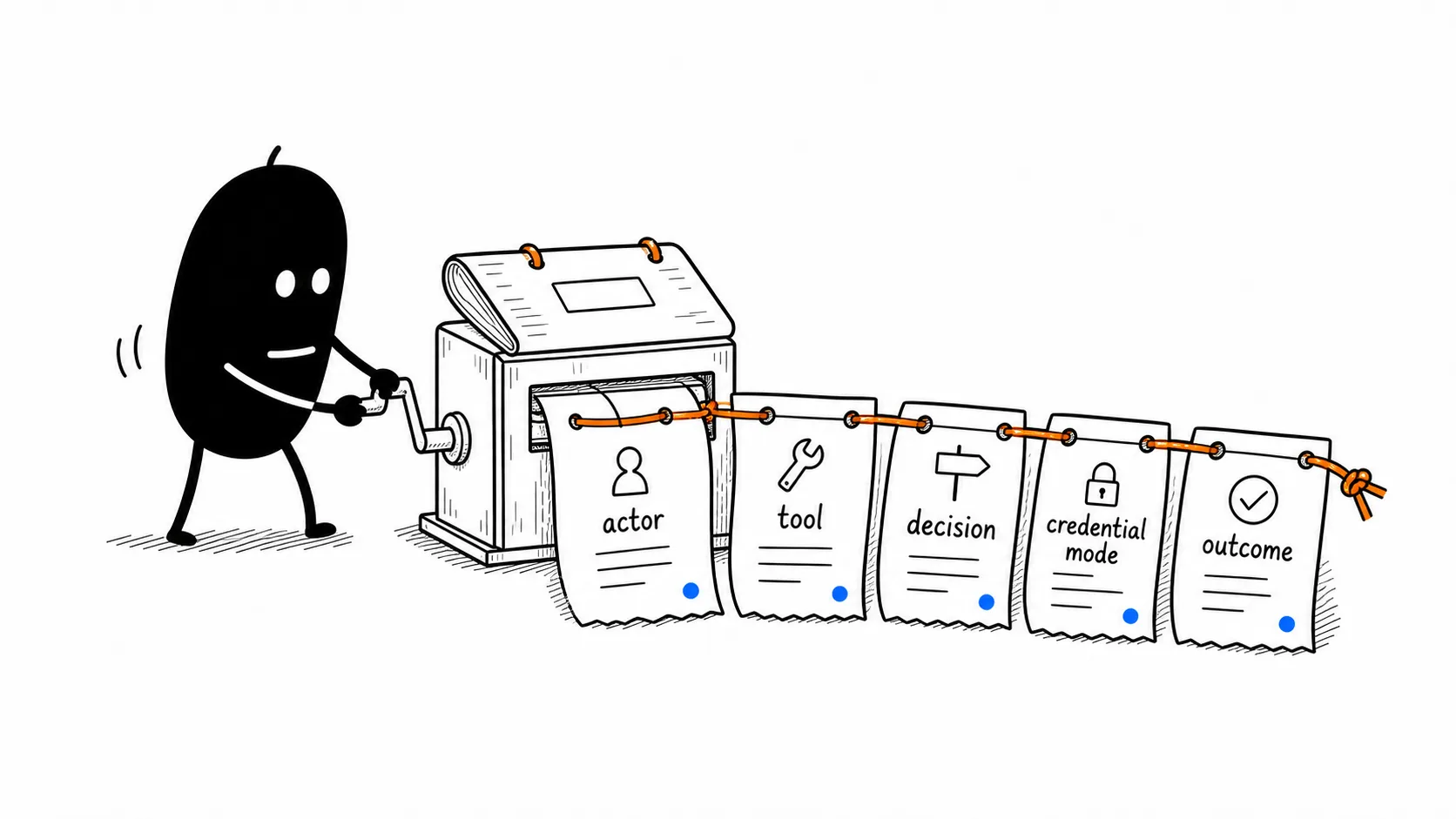
Why it mattersThe gateway should create evidence as it governs.
Admin Tools
Admins need ways to register, simulate, inspect, and disable.
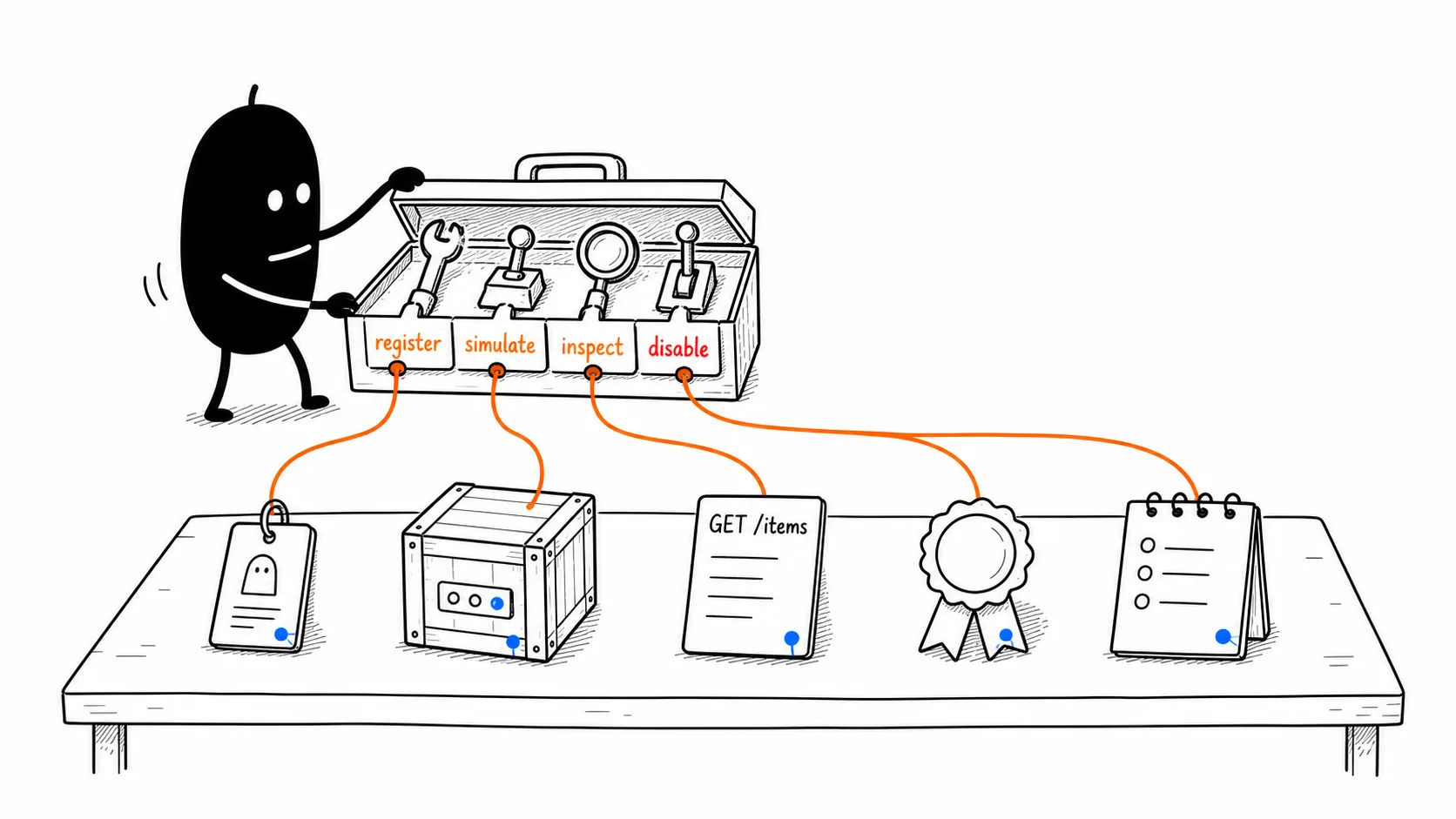
Why it mattersGovernance is operational only when teams can test and change it deliberately.
One Governed Path
Useful calls move through approved, checked, brokered, routed, and recorded stages.
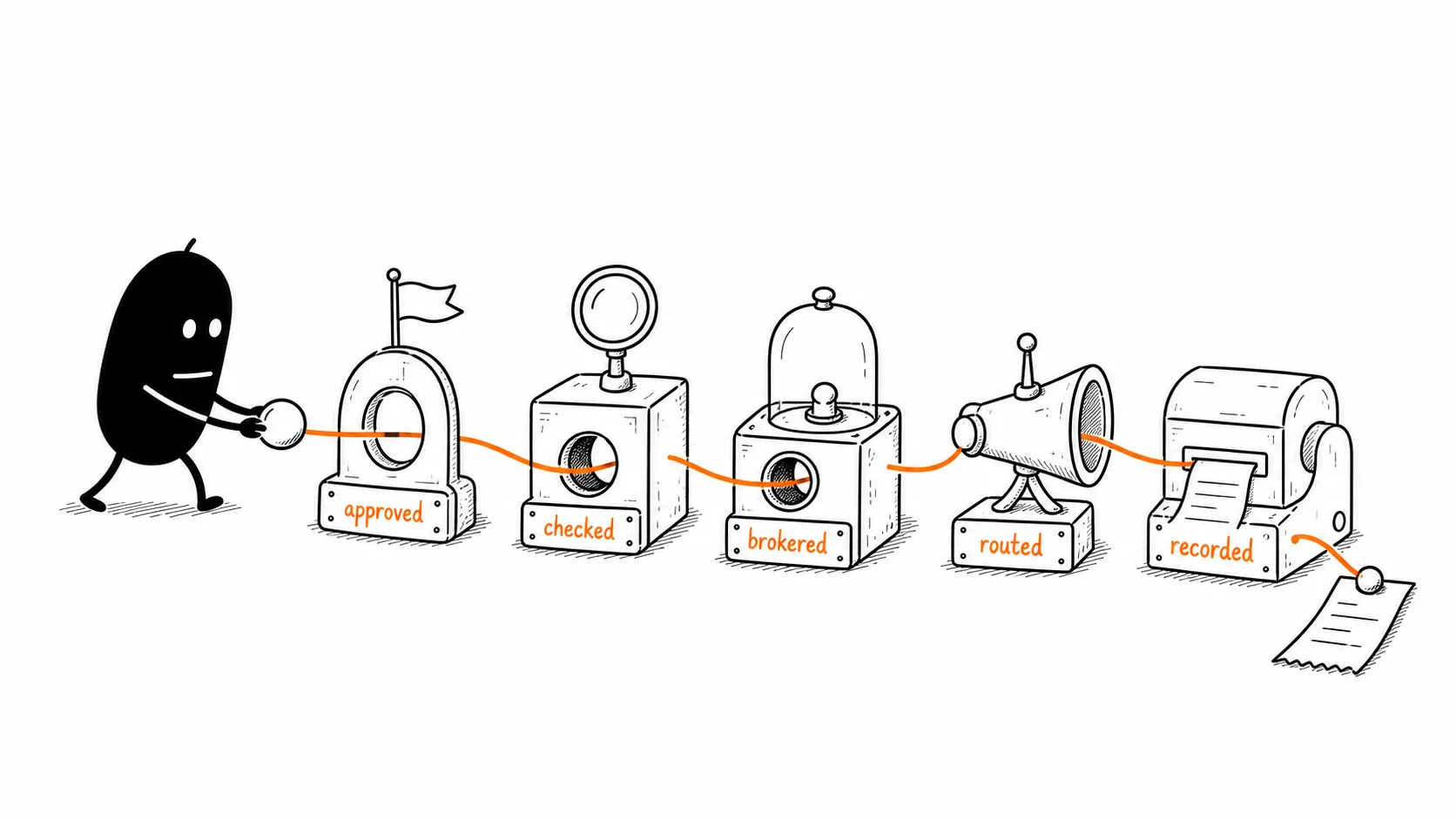
Why it mattersThe five objects work together only when the runtime path uses all of them.
Mental model
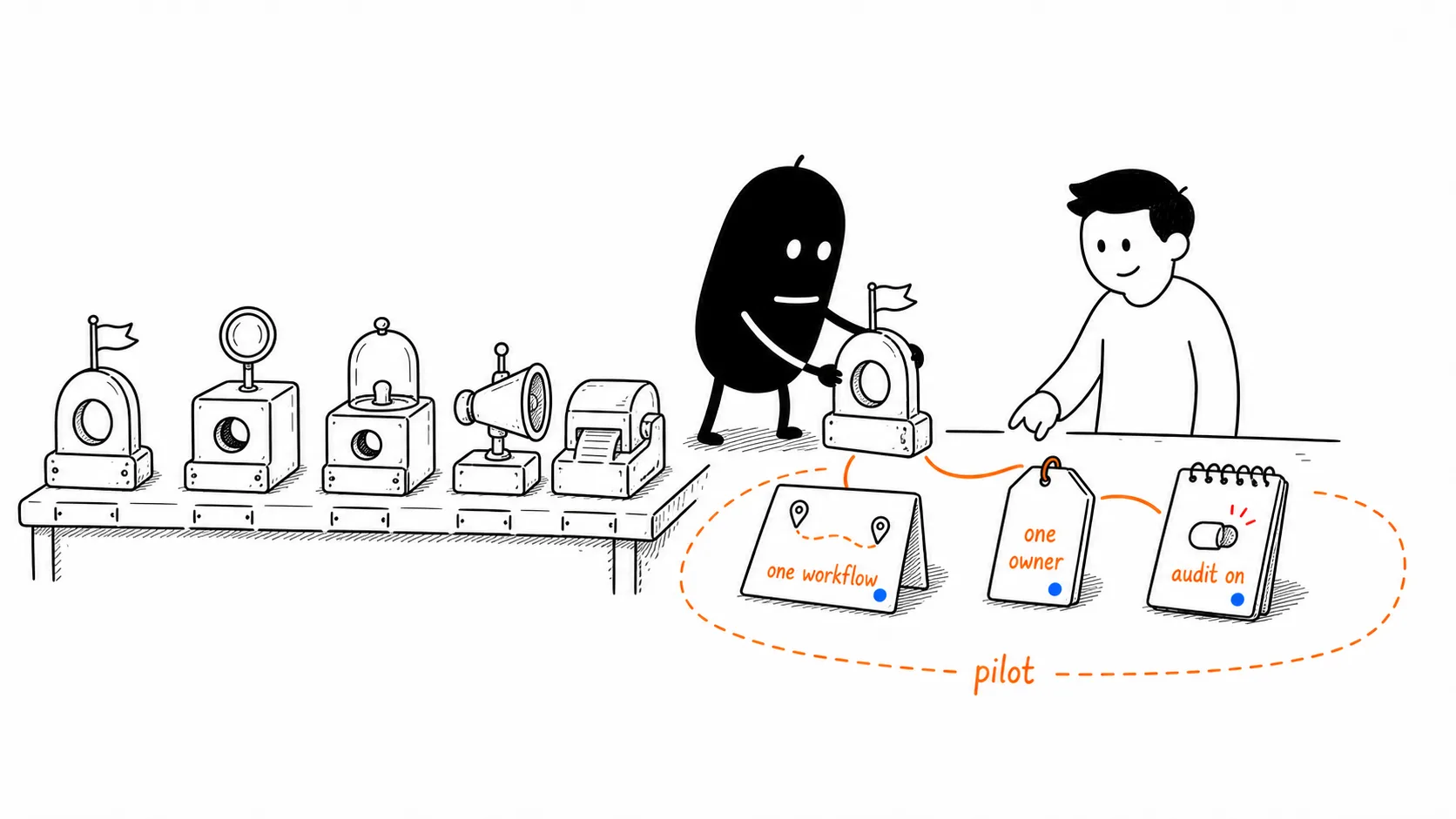
Validate the model with one real workflow
We are looking for teams who want to validate the MCP Gateway model through one real workflow.
Pick one object to start: registry, policy, credential broker, private connector, or audit. Tie it to one workflow, one owner, and audit evidence. Then expand only after the first object proves useful in realistic conditions.
The goal is to make governed MCP simple enough to explain and concrete enough to operate.
Book a walkthrough