OpenAPI Spec Arrives
The OpenAPI file starts as source material, not a published tool catalog.
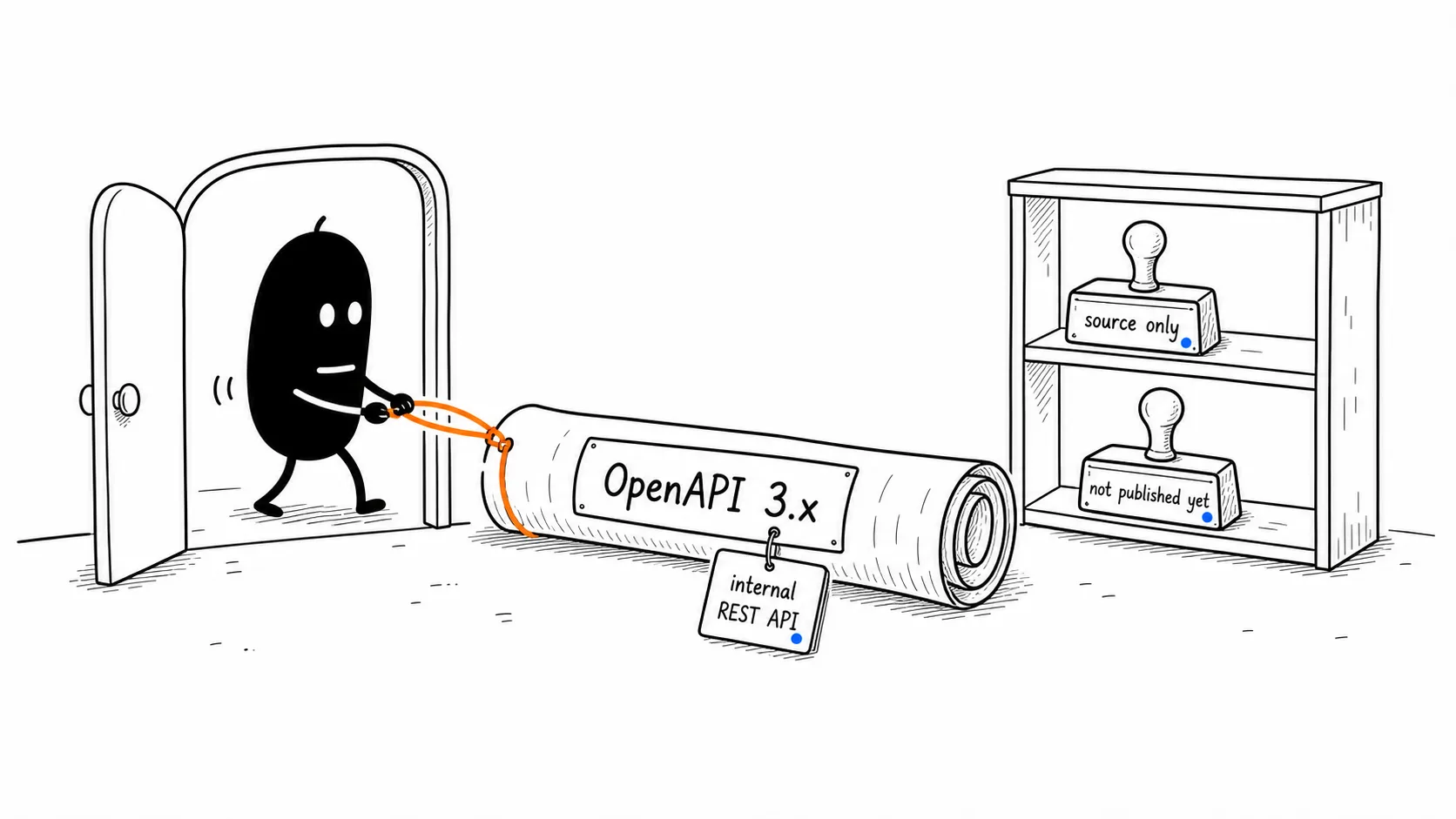
Why it mattersTreating the spec as input preserves review and approval before exposure.
Candidate Operations Spill Out
The gateway can identify candidate operations, but they remain drafts.
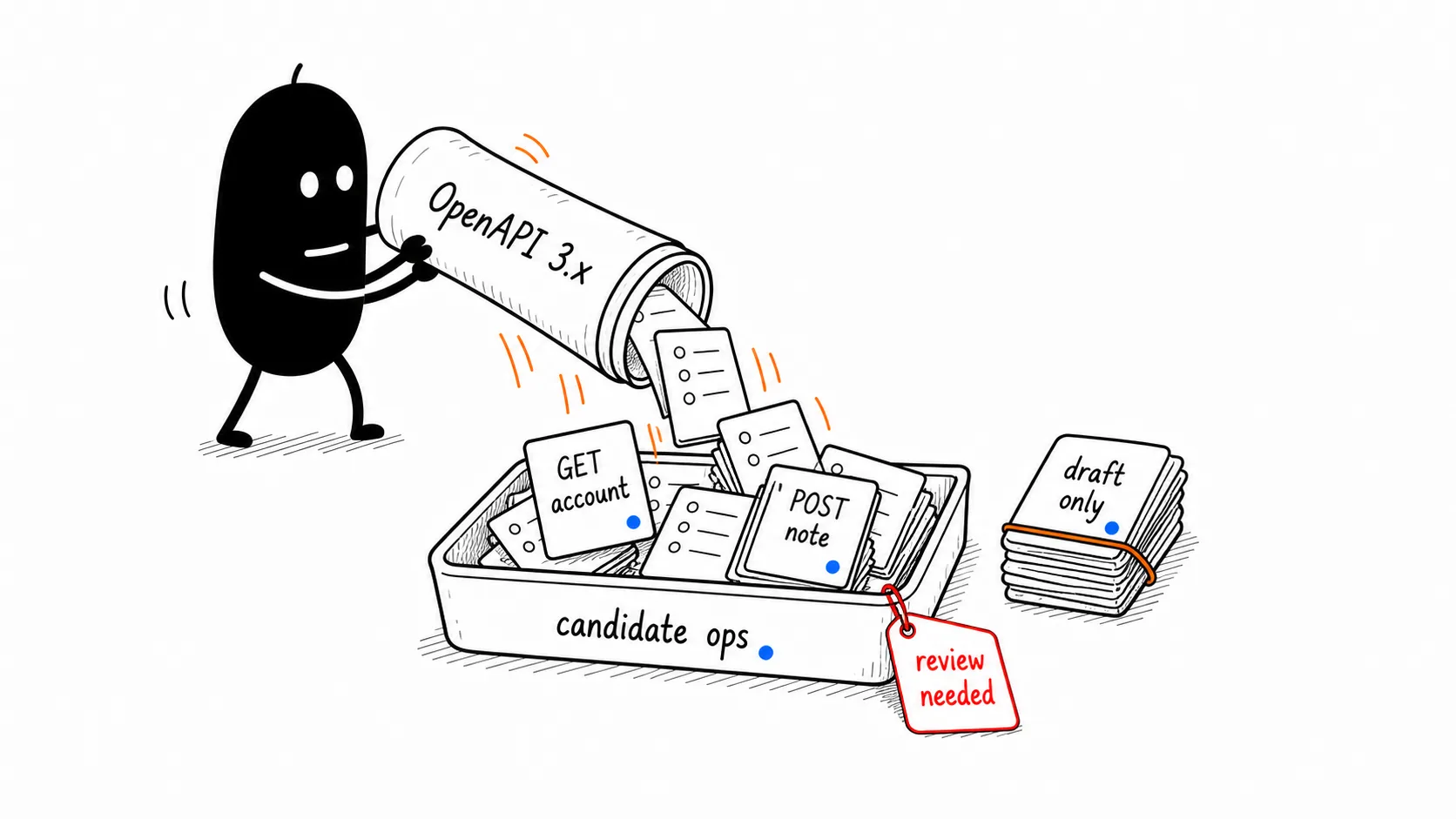
Why it mattersCandidates still need policy, schema, owner, and risk review.
Select One Approved Operation
One operation is deliberately selected; the rest stay closed.
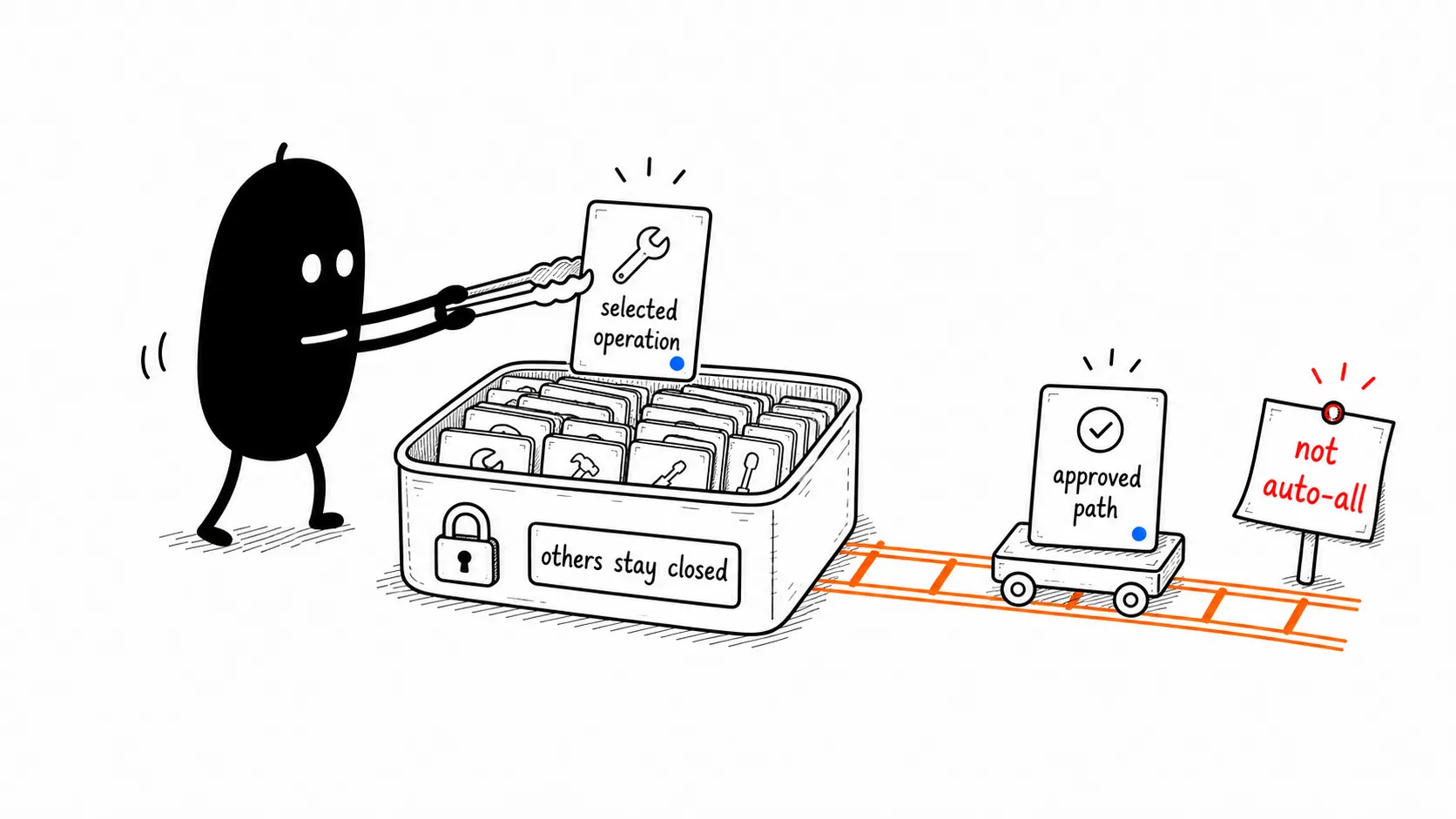
Why it mattersControlled API-to-MCP conversion stays deliberate and bounded.
Schema And Host Check
The selected operation must pass schema validation and host allowlist checks.
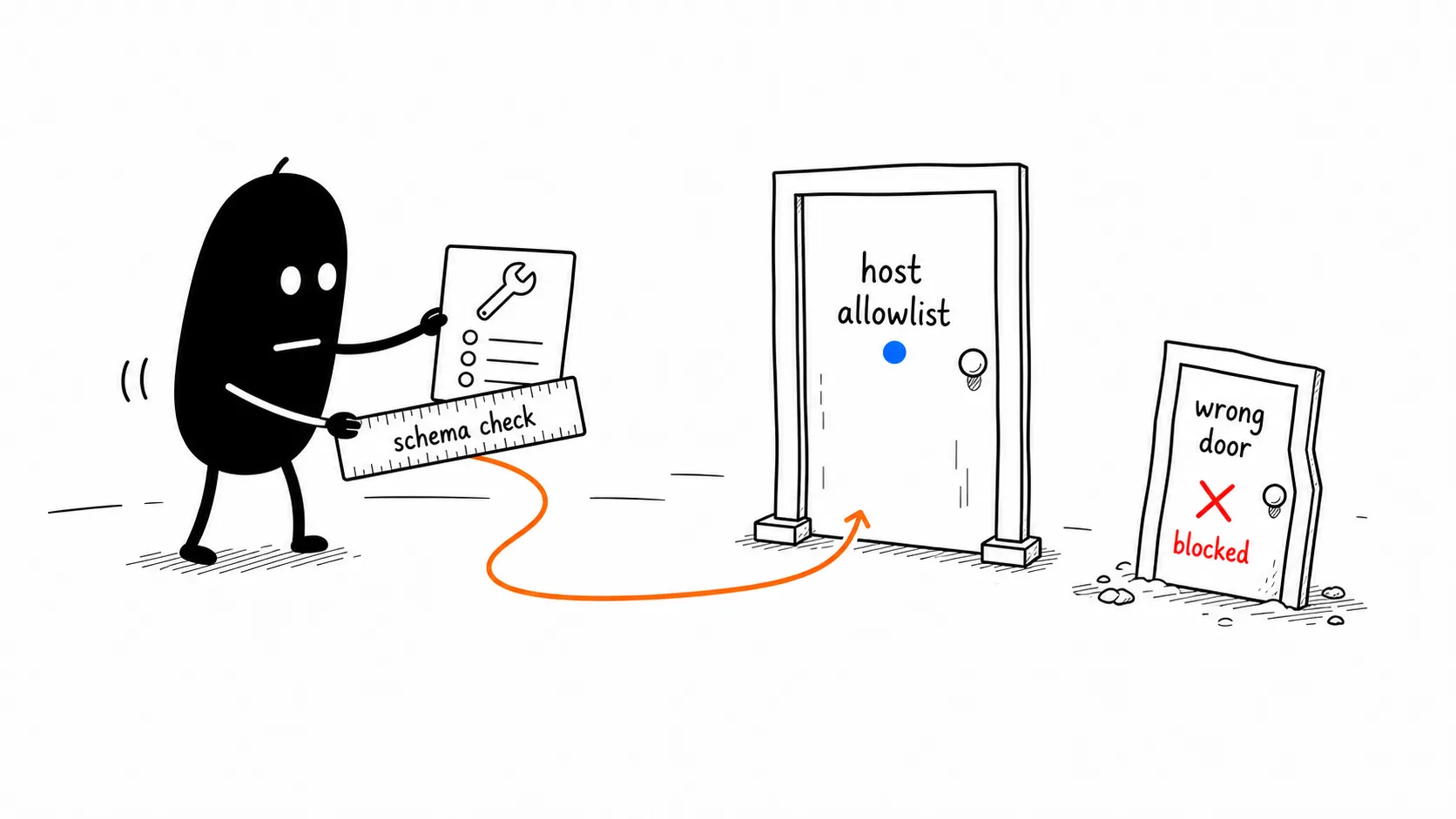
Why it mattersGovernance fails if the adapter can drift to the wrong method, path, host, or payload shape.
Map Auth Through Broker
Credential mode is resolved through the broker, not copied into the agent.
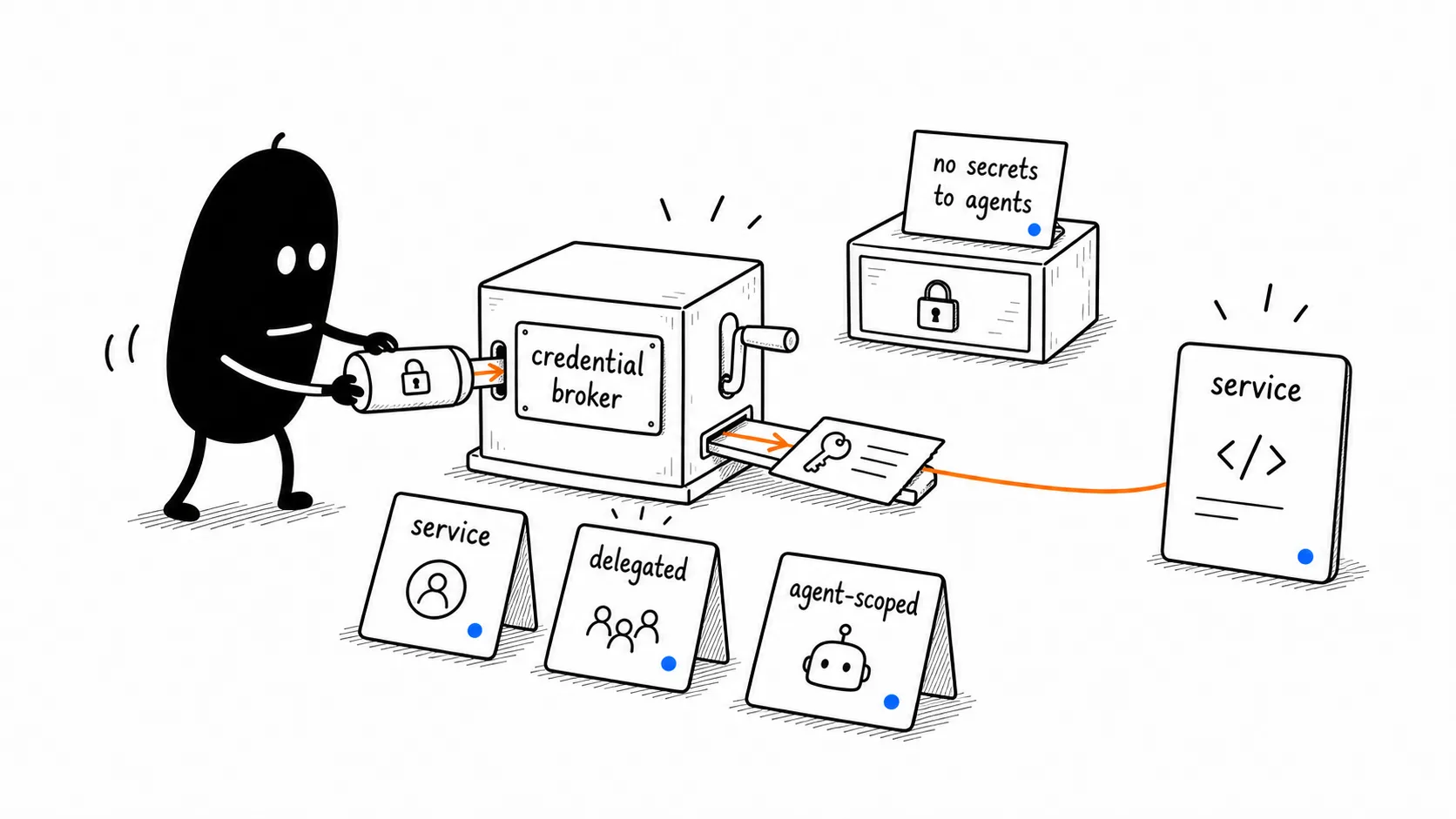
Why it mattersReal upstream calls can happen while secret handling remains centralized.
Shape REST Operation Into Tool
The operation becomes a simple MCP tool with a name, input schema, and response mapping.
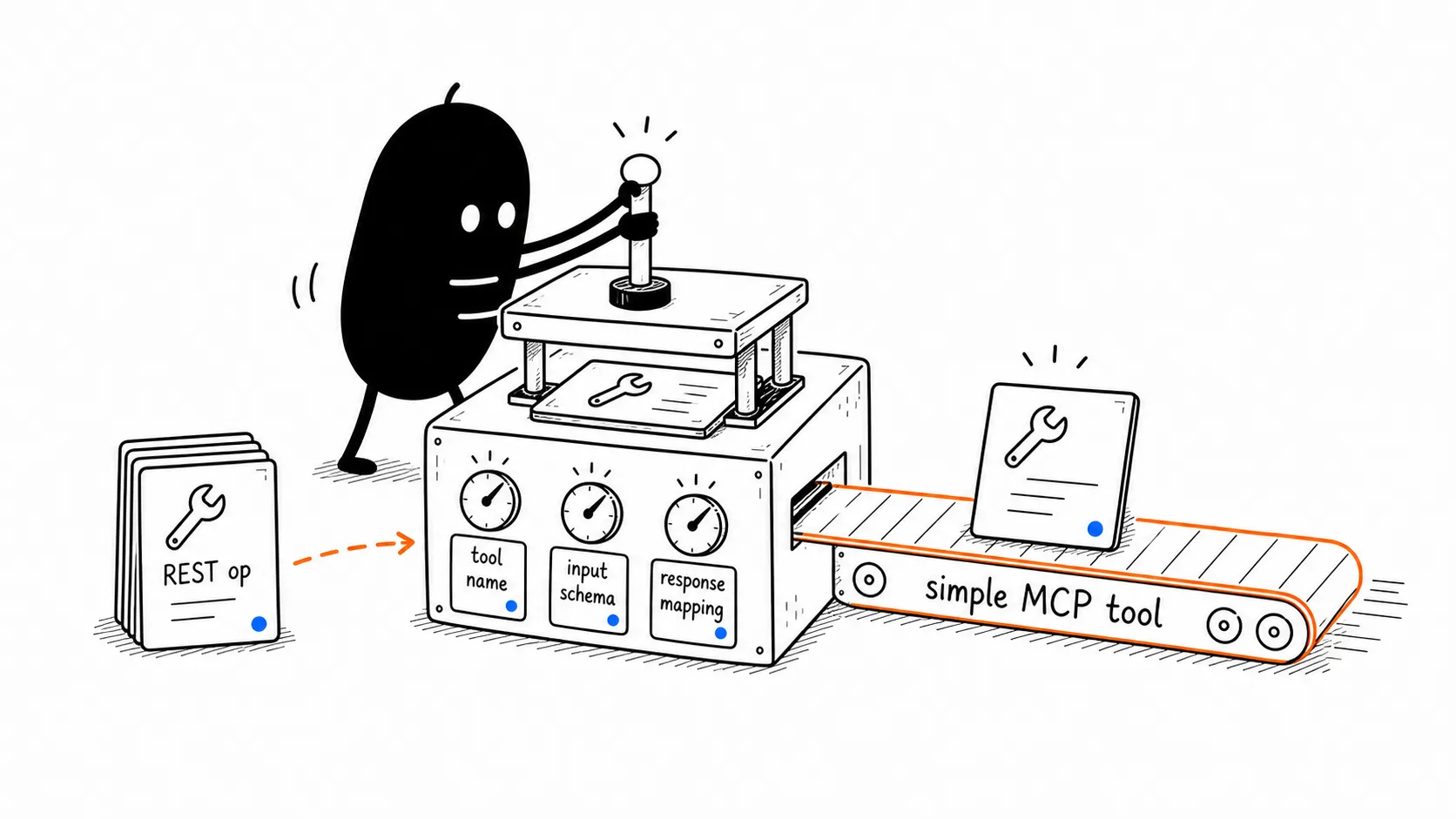
Why it mattersAgents need a clean tool contract, while platform teams retain the upstream API boundary.
Add Owner, Risk, Policy, Credential Tags
The tool card carries owner, risk, environment, policy, and credential binding metadata.
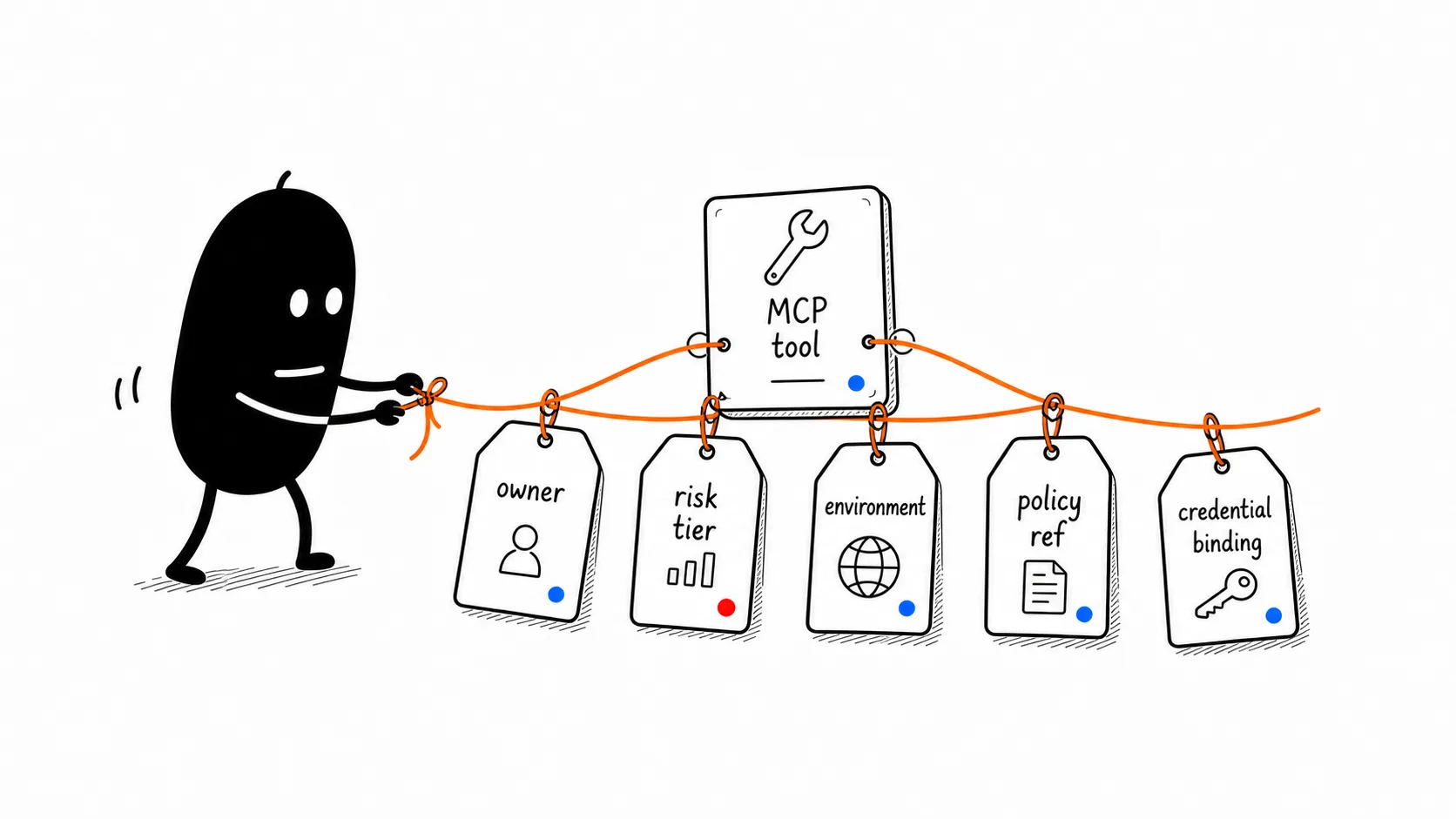
Why it mattersPublishing without ownership and binding metadata creates anonymous risk.
Approval Before Publish
Approval creates a reviewable snapshot before the tool reaches the registry.
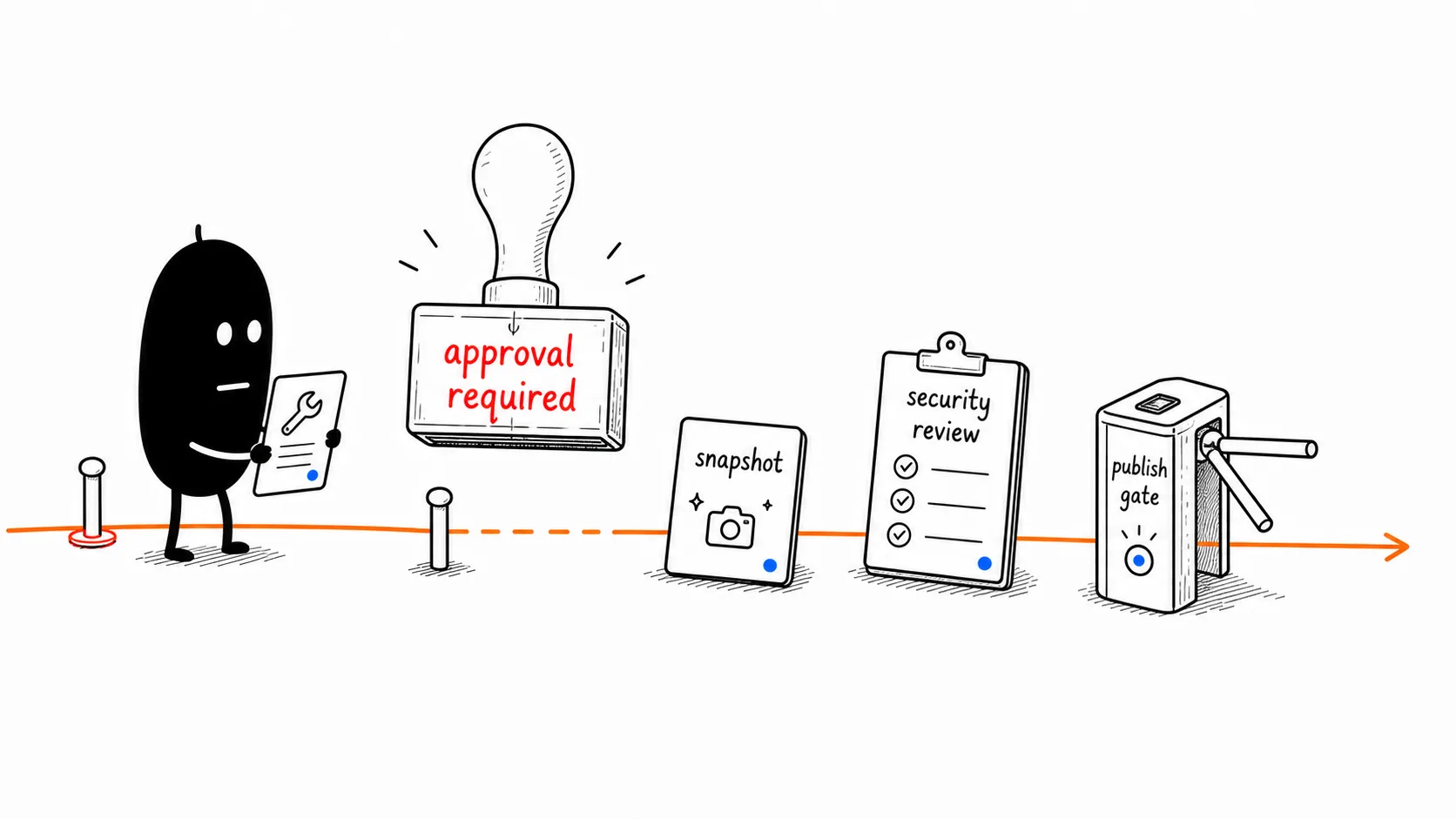
Why it mattersSecurity and platform teams need a fixed artifact to review and audit.
Published Tool On Registry Shelf
Only the approved tool appears in the governed registry.
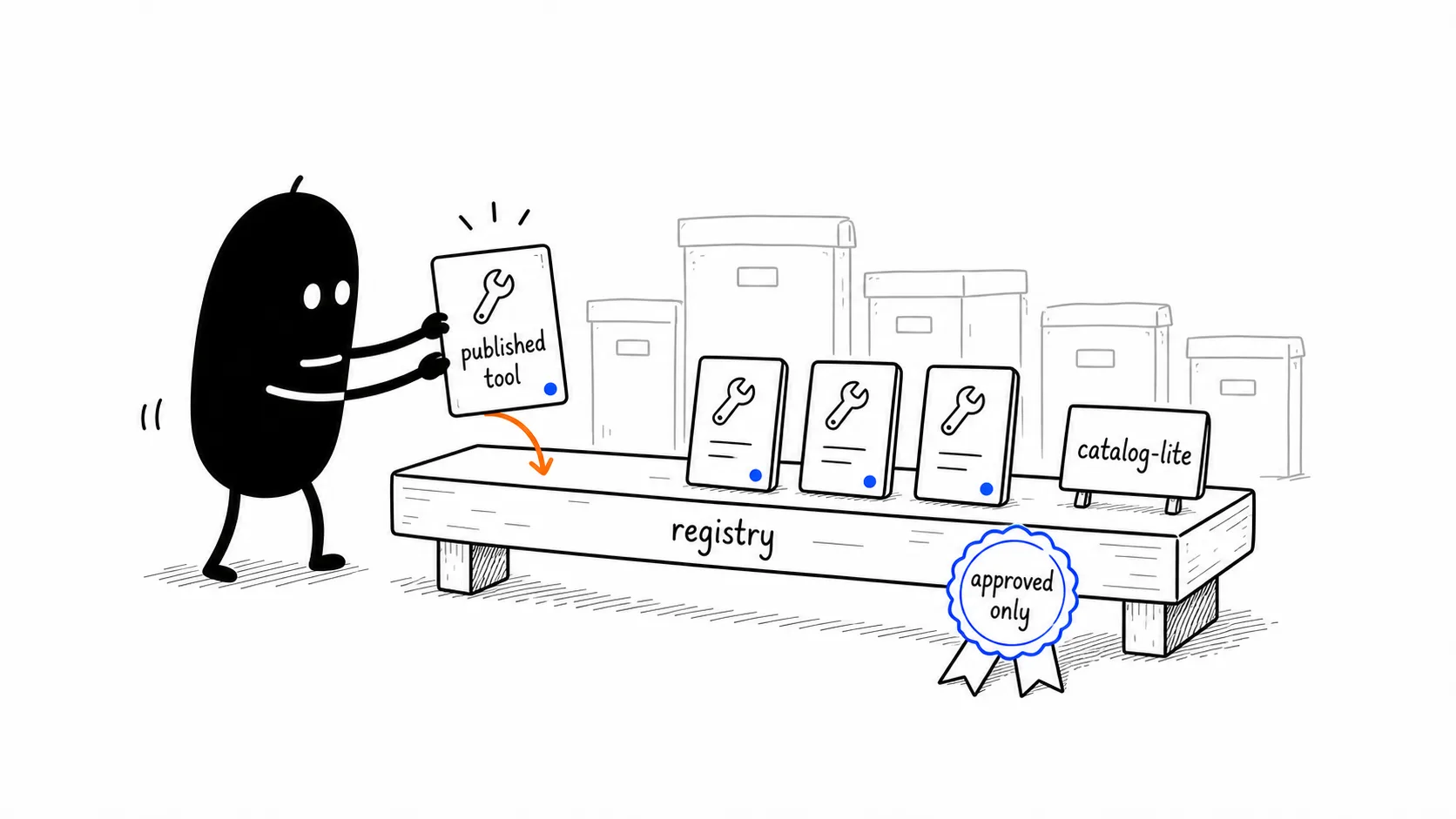
Why it mattersThe registry stays lightweight and approval-driven.
Agent Finds Only Allowed Tool
Policy-filtered discovery shows the agent only what it is allowed to see.
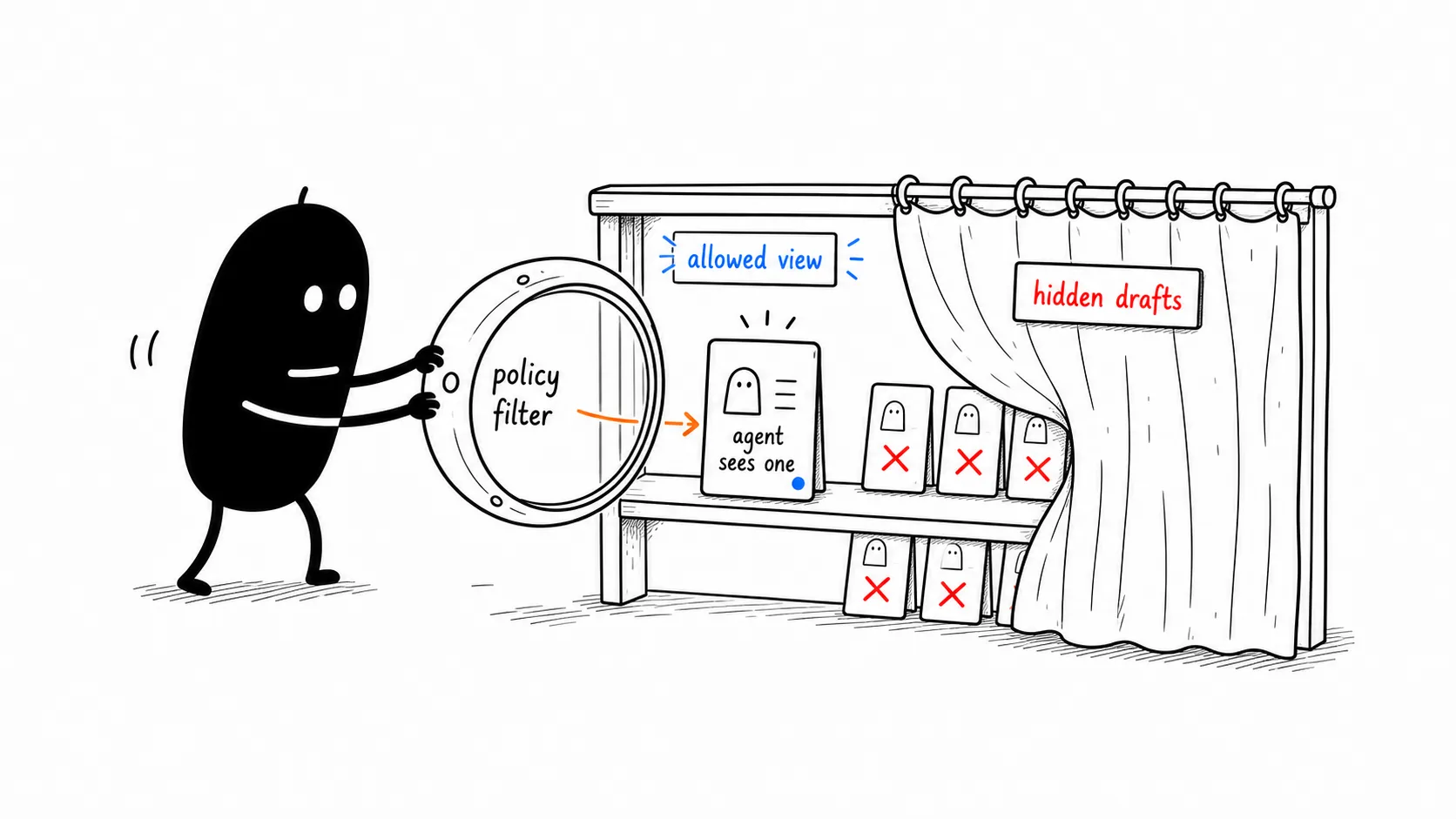
Why it mattersHidden drafts and unauthorized tools should not leak through tools/list.
Adapter Routes The Call
The MCP call is validated, mapped to method and path, and routed to upstream REST.
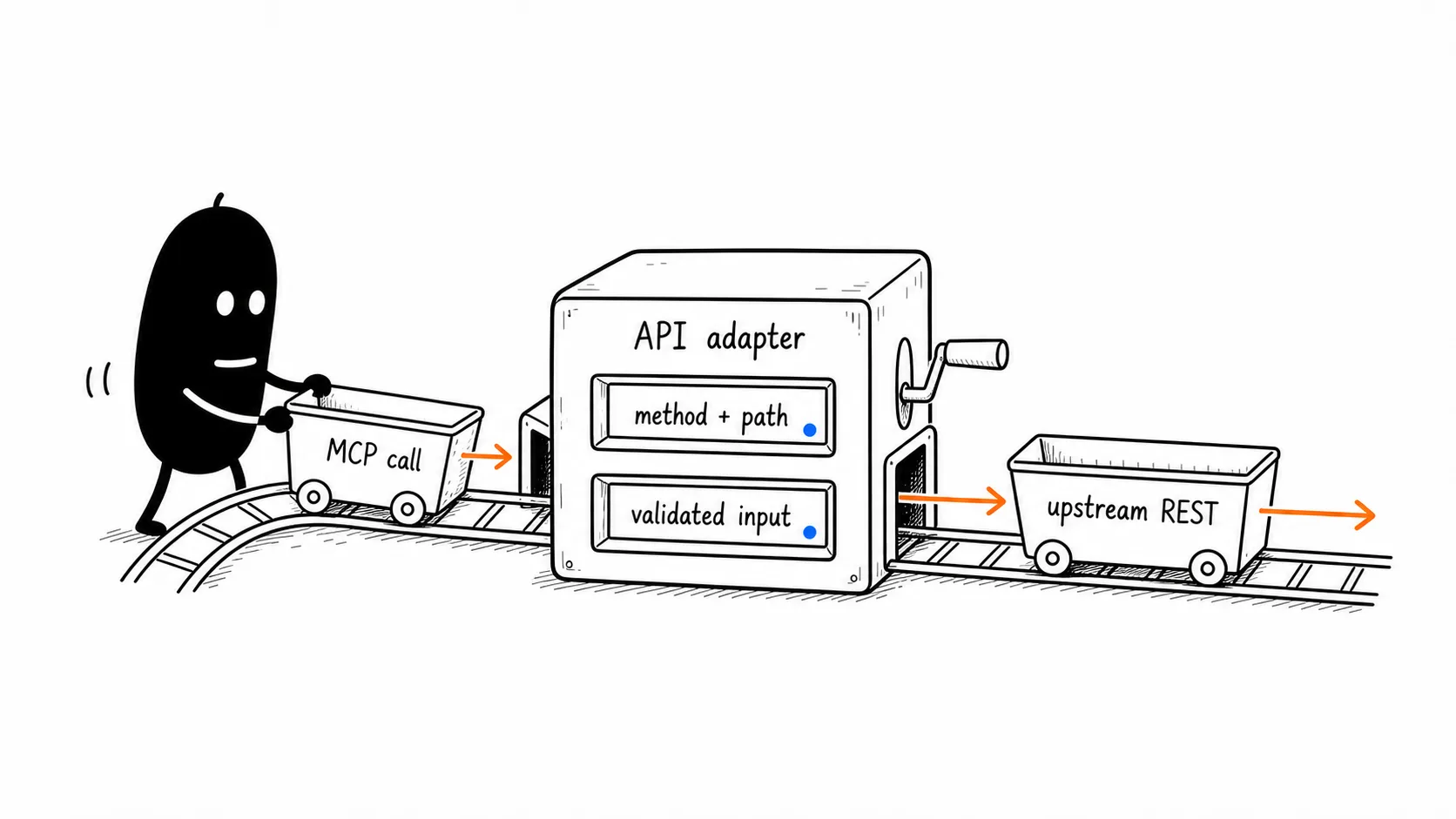
Why it mattersThe adapter is the narrow runtime bridge between agent tool use and internal API execution.
Audit Receipt After Call
The receipt ties API source, operation ID, tool ID, policy, and upstream status together.
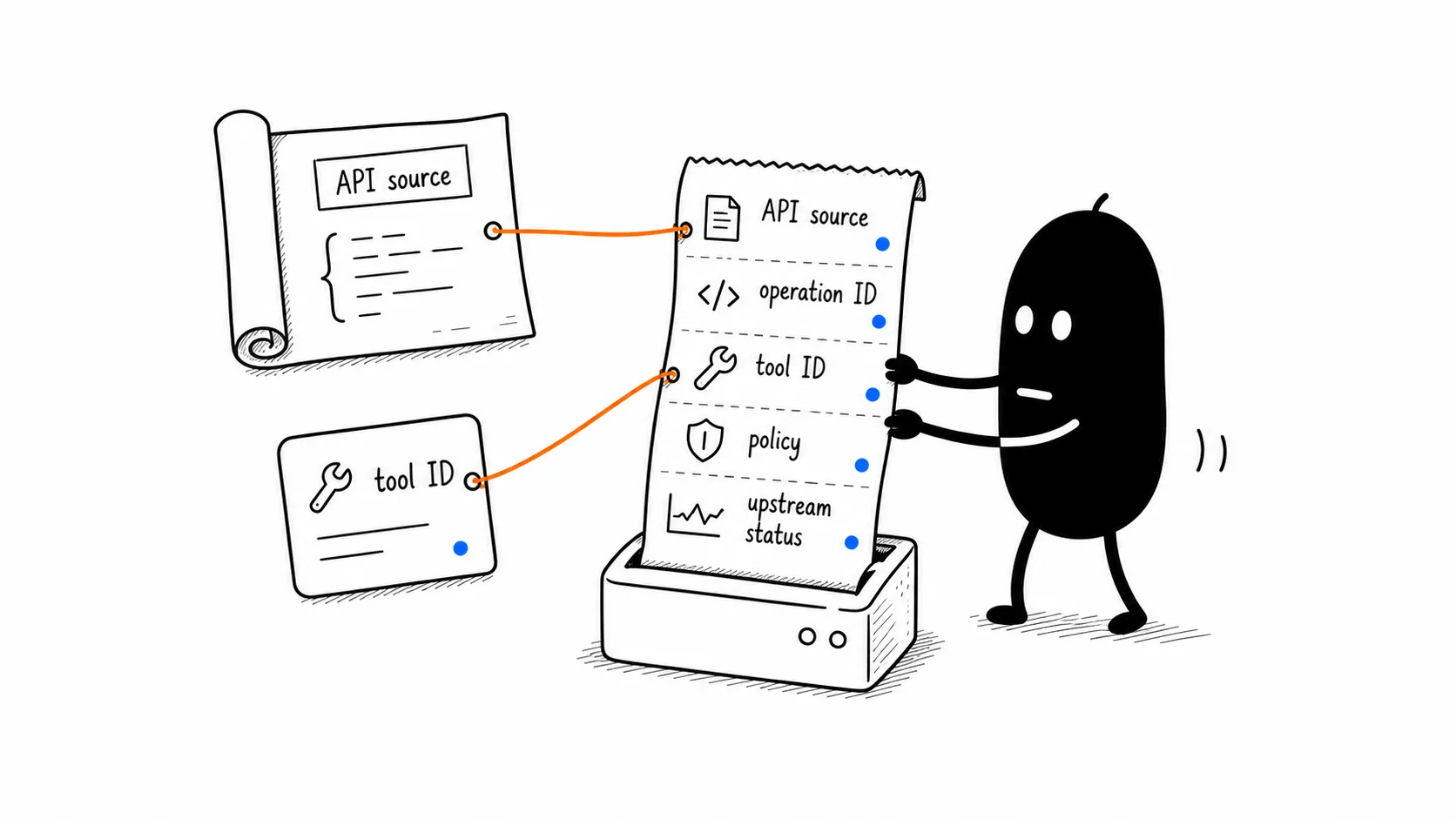
Why it mattersReviewers need traceability from agent action back to the original API operation.
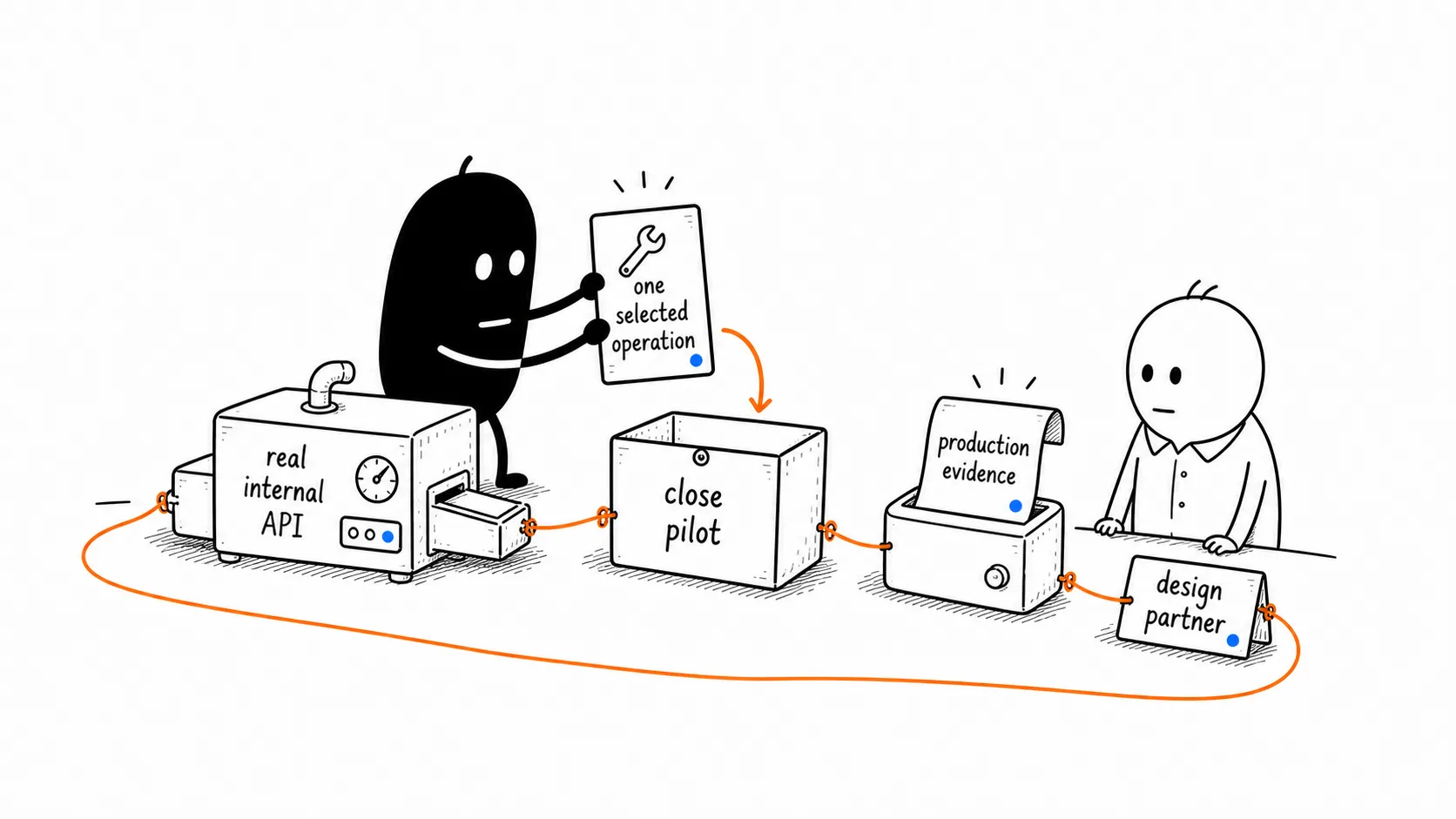
API operations
Turn one real API operation into a governed tool
We are looking for teams who want to turn one real internal API operation into a governed MCP tool.
The best first pilot is narrow: choose one operation from an internal REST/OpenAPI service, map auth through the credential broker, publish the approved MCP tool, run one agent through policy-filtered discovery, and inspect the audit receipt together.
This gives security, platform, and API owners realistic evidence before expanding the catalog.
Book a walkthrough